
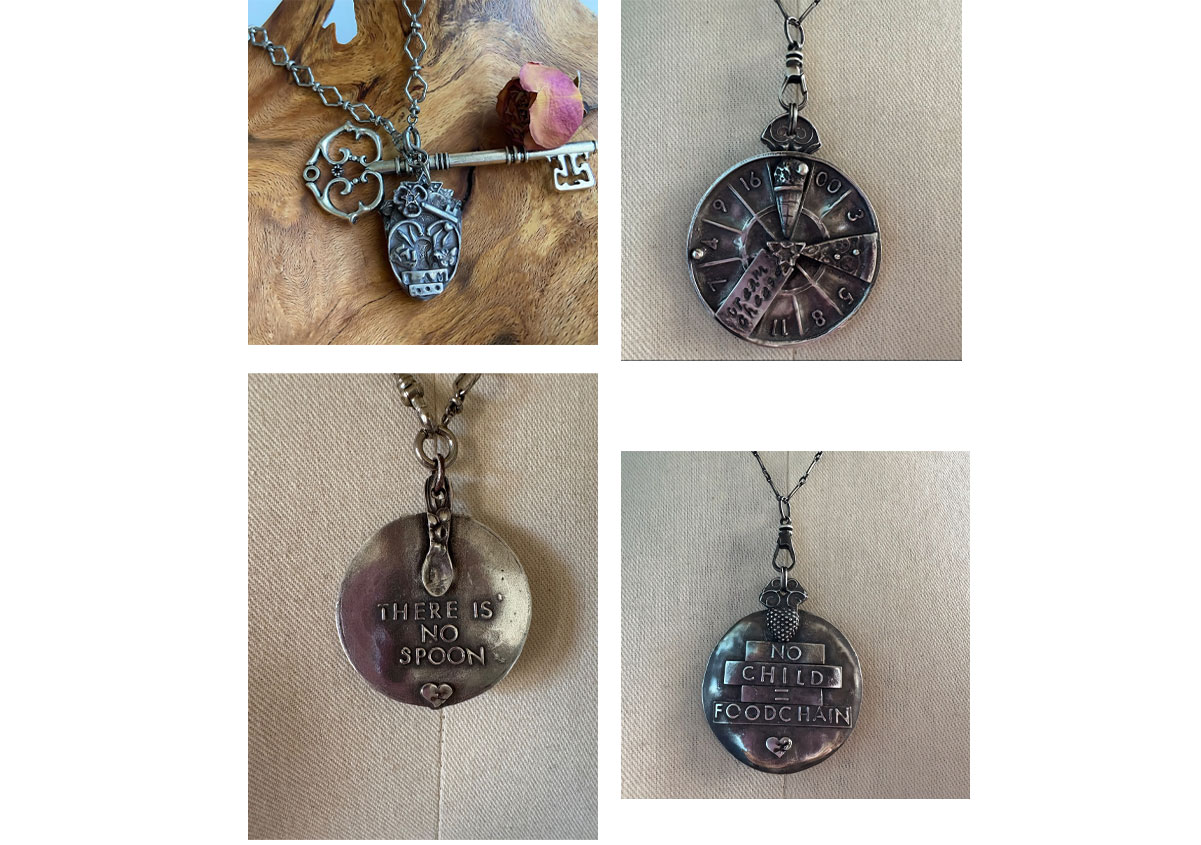
Marzena creates her sterling silver jewellery using EZ960 Sterling Clay in four main stages: preparation and sizing, rolling and cutting, shaping and joining, and drying. As part of the process, she considers the clay's approximate 10% shrinkage during firing and adjusts the size of each piece accordingly to achieve the desired final dimensions. Before starting, Marzena prepares her workspace by gathering the required tools and ensuring that she has a clean, flat surface to work on. This careful preparation supports accuracy and consistency throughout the making process.
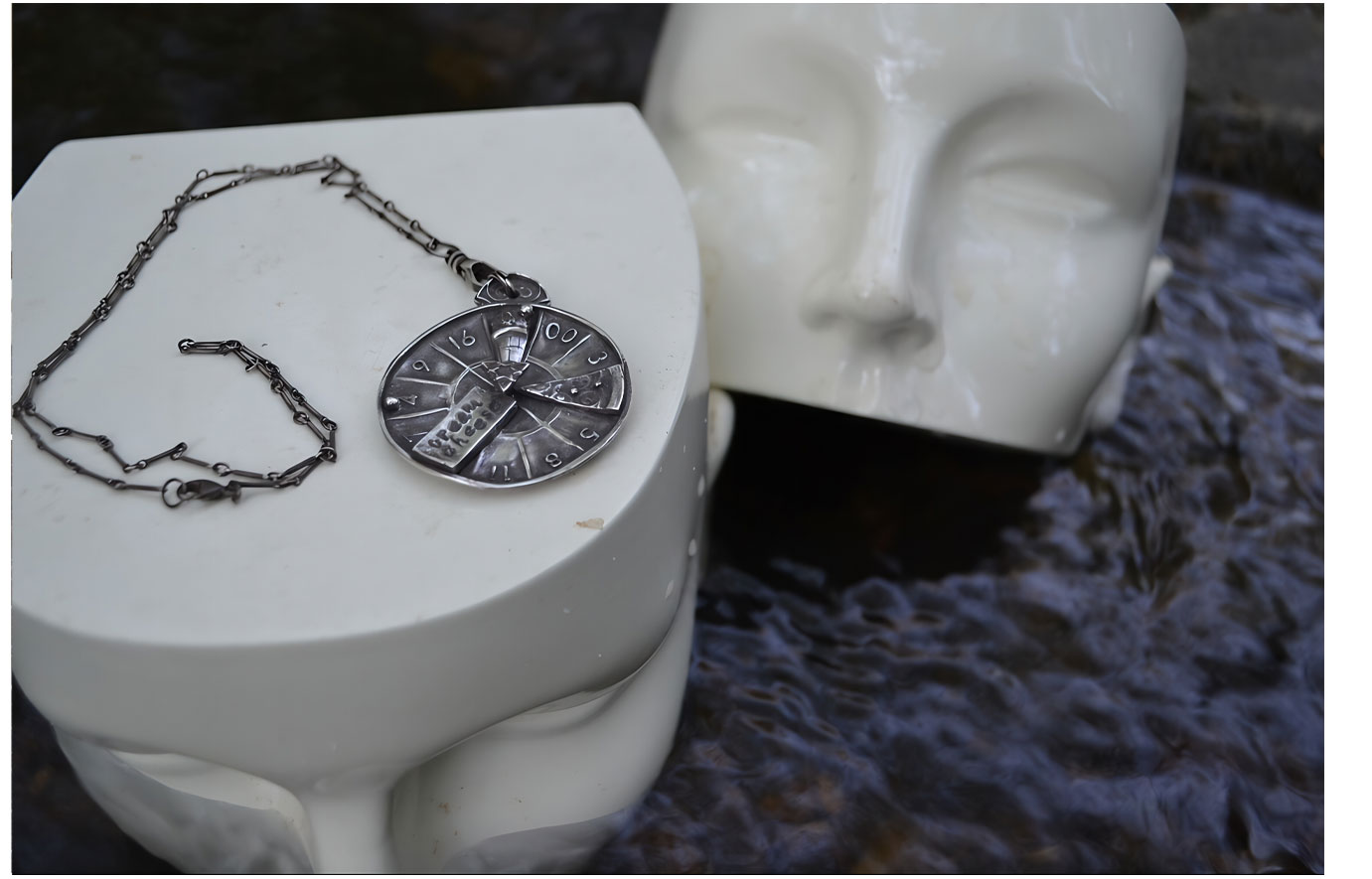
The next stage of Marzena's process involves rolling and cutting the clay. Using either a coil roller or an acrylic roller with thickness guides, she rolls the EZ960 Sterling Clay into an even sheet, typically to a thickness of four to five playing cards. Once the desired thickness is achieved, she cuts the clay into the intended pendant shape using a craft knife or clay blade. The design may range from a simple geometric form to a more detailed pattern, depending on the concept she wishes to explore in the piece.
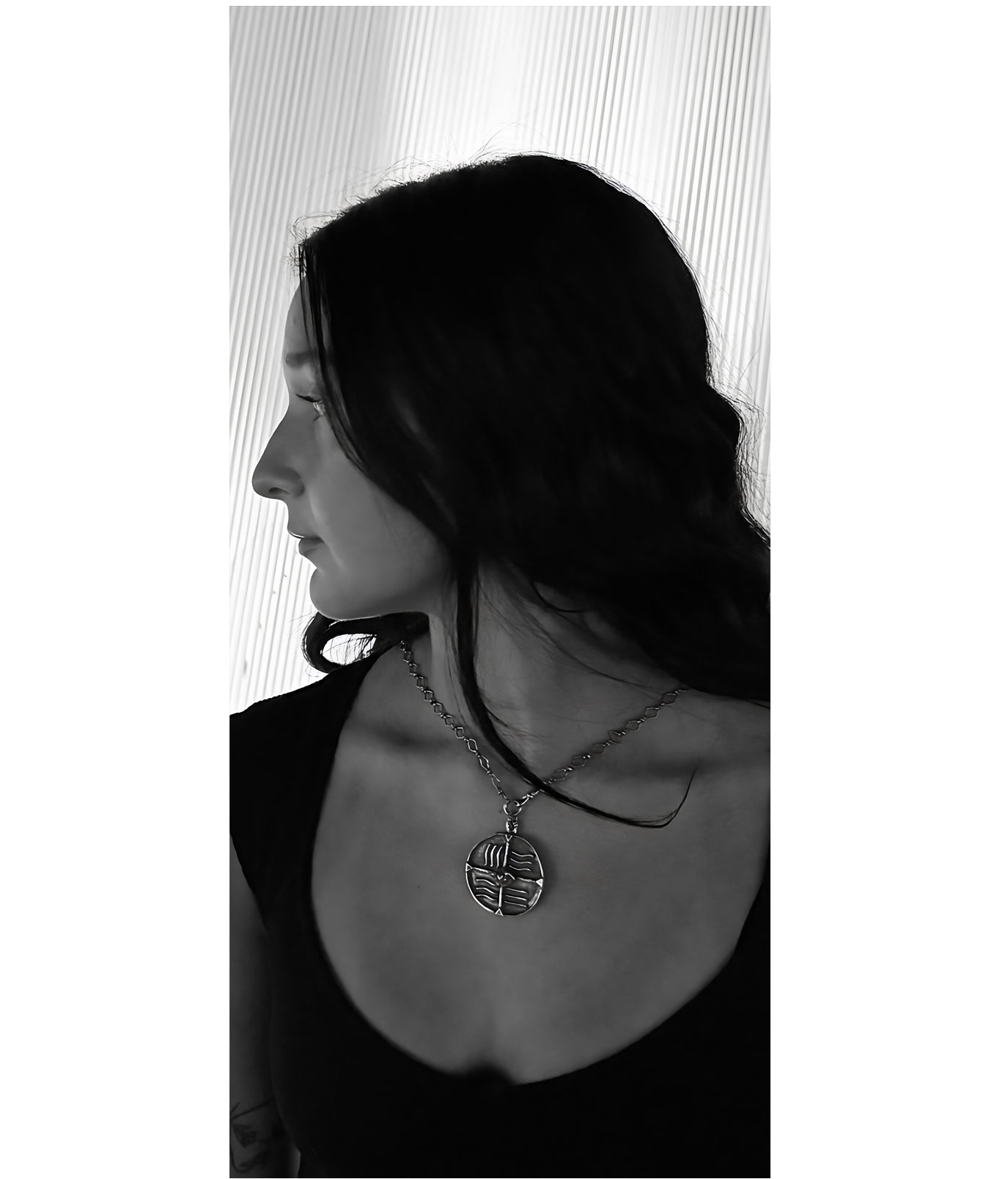
Following the cutting stage, Marzena moves on to shaping and joining the individual elements of the pendant. If the design requires additional components, such as loops for attaching a chain or decorative details, these are carefully formed and added at this stage. She may also use specialised tools to introduce texture and surface patterns that enhance the overall design. To create secure joins, Marzena lightly scores the connecting areas, applies a small amount of water, and presses the pieces together before smoothing the seams to achieve a clean finish. The final stage involves drying the pendant in preparation for firing. Marzena begins by partially drying the piece using gentle heat from a heat gun or hair dryer on a low setting for approximately five to ten minutes while it remains on a flat surface. Once the clay has become firmer, it is transferred to a heat-resistant surface to dry completely, either in an oven at 150°C or through air drying over several hours. When the pendant is fully dry and has developed a chalk-like appearance, she sands and refines the edges before placing it in the kiln. During firing, the clay is transformed into solid sterling silver, producing a finished pendant that is ready for polishing and presentation.