
Belgrade, also known as the “White City” capital of Serbia, has historically long served as an important stronghold during the Byzantine Empire, Frankish Empire, Bulgarian Empire and Kingdom of Hungary. As the city is located at the confluence of the Sava and Danube rivers, where the Pannonian Plain meets the Balkans, its geographical position has allowed it to develop into an important passage way between the East and West throughout the past centuries.
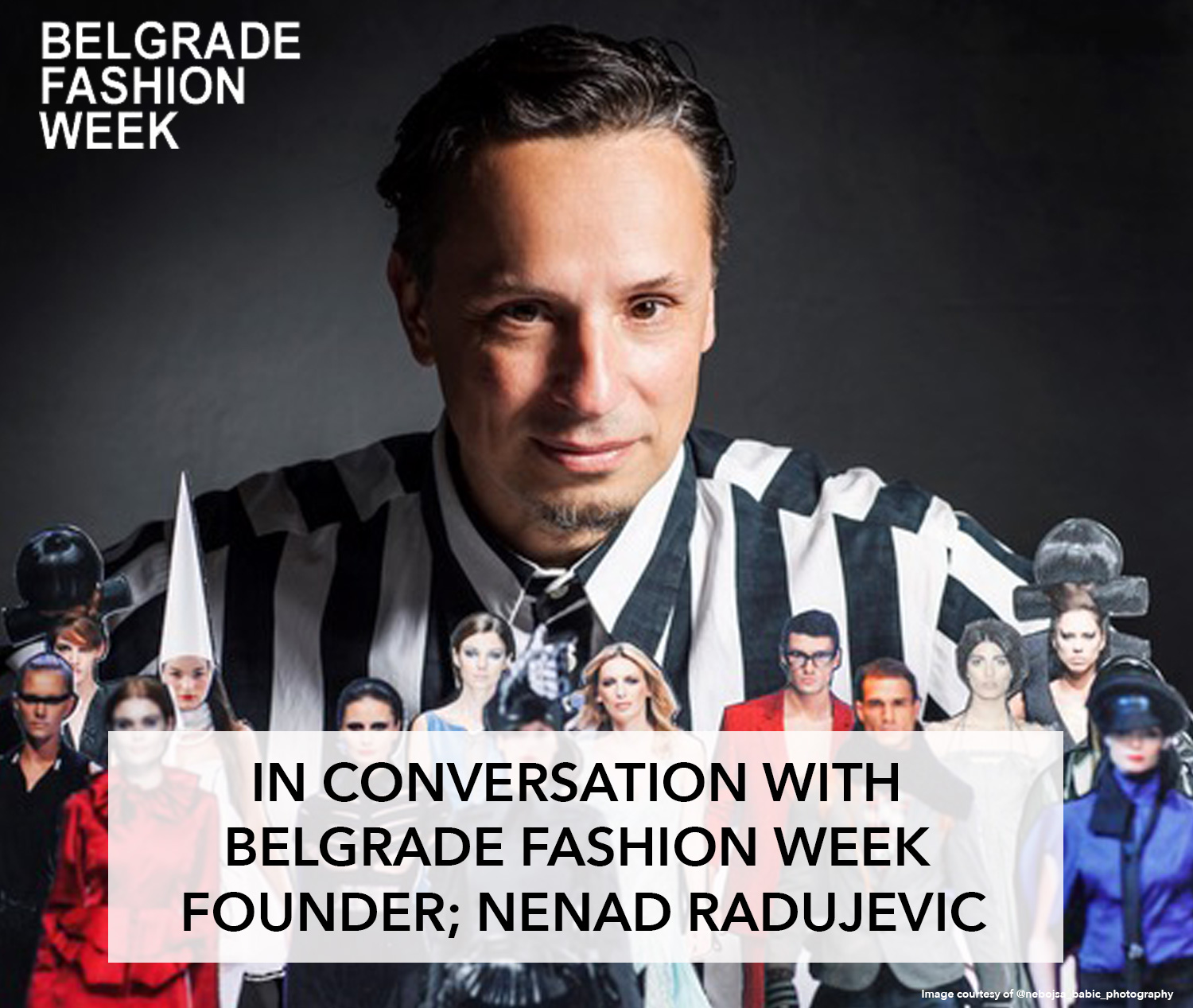
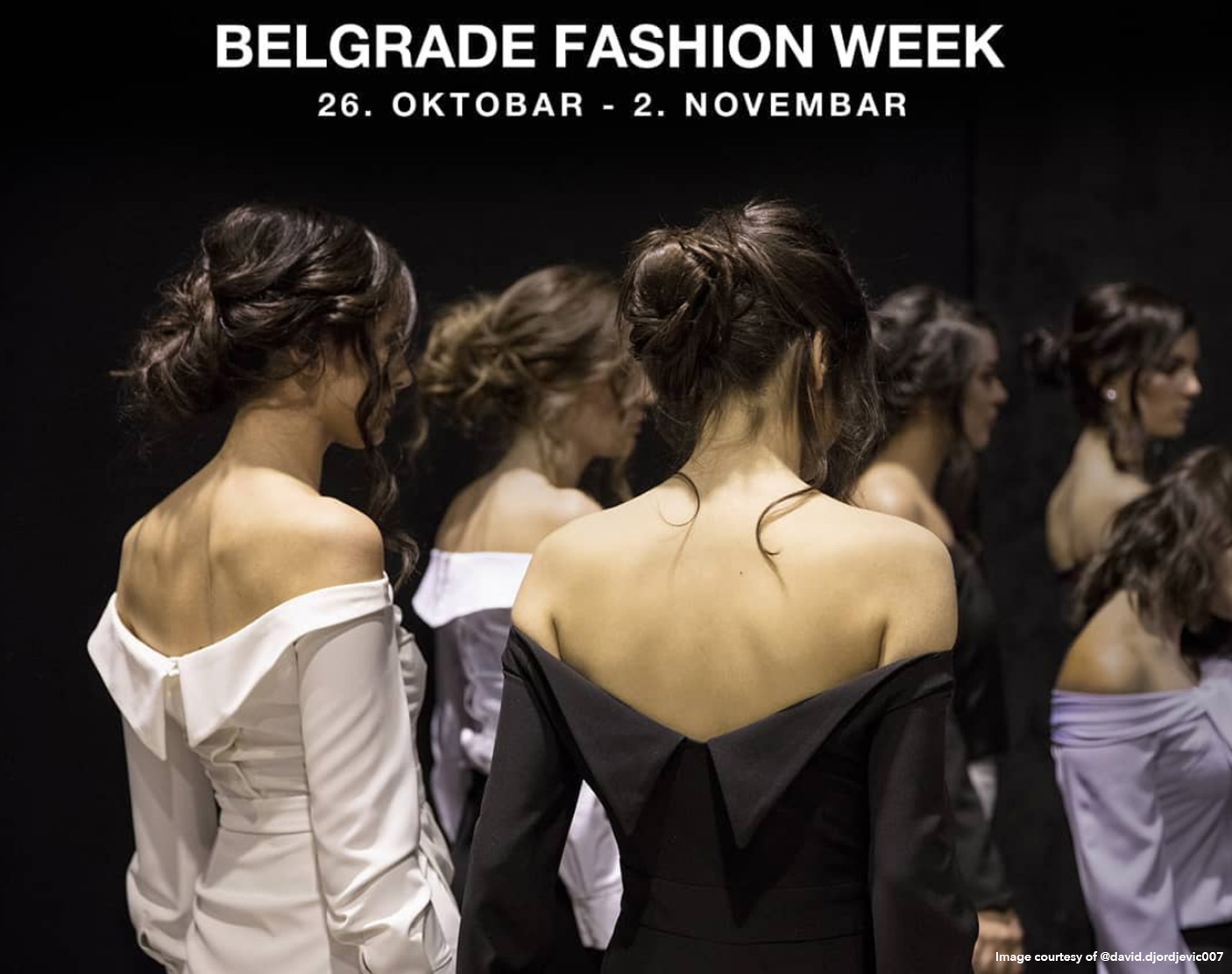
Fashion Crossover London had the honour to be invited to visit Belgrade and attend the 44th Belgrade Fashion Week ( 26.10-02.11. 2018), where our representative, Managing Director Since Wang and Executive Programme Director Tom Lui witnessed a world class event in this specific part of Eastern Europe. Founded in 1996 by Nenad Radujevic, Belgrade Fashion Week (BFW) is the first fashion week in Eastern Europe promoting Serbian design, talent and quality for the past 22 years. The event's goal to promote true Serbian culture has remained uncorrupted by mainstream conventional trend, and continued to demonstrate the inimitable fashion sense of the city from fashion designers who possess their own unique cultural identity. We have had the honour to interview with Nenad, who has revealed his opinion with regards to BFW and Belgrade:
What is your personal story and background, and how did you get into the fashion industry? Would you like to share any interesting experience you have had in the fashion industry?
I have started the first modelling agency in Serbia back in 1991, but I had slowly realised that Serbia had a lot of potential when it comes to fashion therefore I founded in 1996 Belgrade Fashion Week (BFW) - the first fashion week in Eastern Europe. I have since been working on establishing Belgrade as the regional fashion centre and the promotion of Serbian designers abroad. Throughout the years, BFW collaborated with different cultural establishments in Serbia, but also internationally with the British Fashion Council, Fashion Scout etc. One thing about me that people might not know is that I had worked as a tutor and I have helped develop the first generation of fashion managers in Serbia.
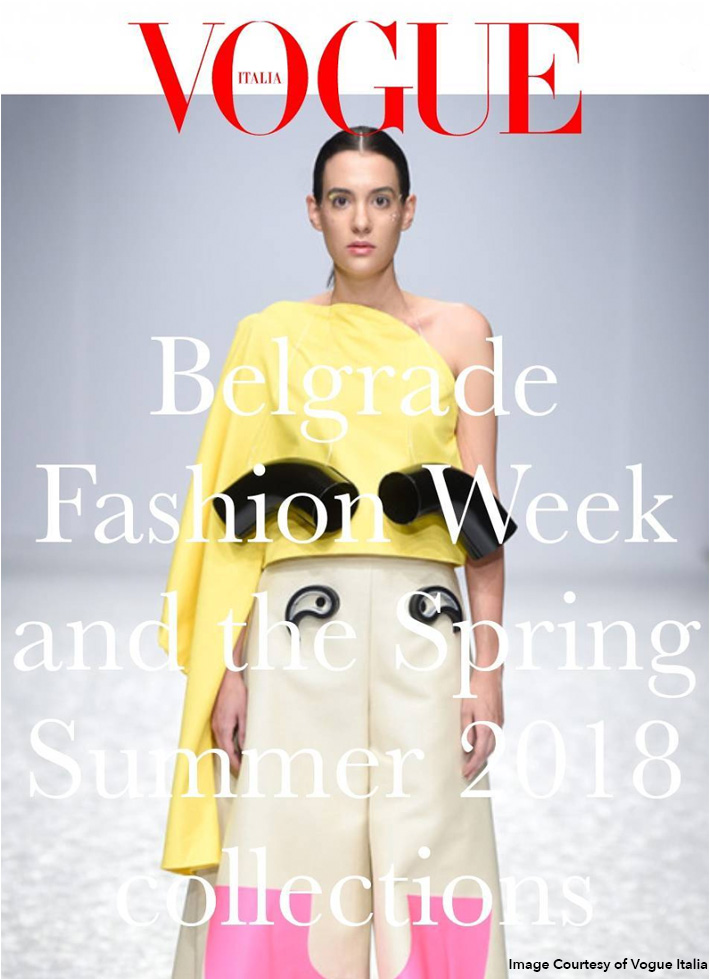
The Belgrade Fashion Week 2018 has been a tremendous success. As the event organiser, what do you see are the differentiating factors between the Belgrade Fashion Week, and the fashion week from other cities in the world?
This is an interesting question as the main difference would be the way the event is organised. BFW is organised under one umbrella - we handle casting, production, event management and PR, all in house compared to other fashion weeks where these departments are separate. We still depend on sponsorship budgets while Fashion Weeks in developed countries have state institutions as the main support. On another hand, we can still developing our project in a regional way because Belgrade is the fashion capital on Balkans. Another thing that I would say differentiates us is the fact that , because it’s all in-house and the team has been working together for quite a long time, we are like a big family and the designers feel this way as well. That atmosphere is very important for us.
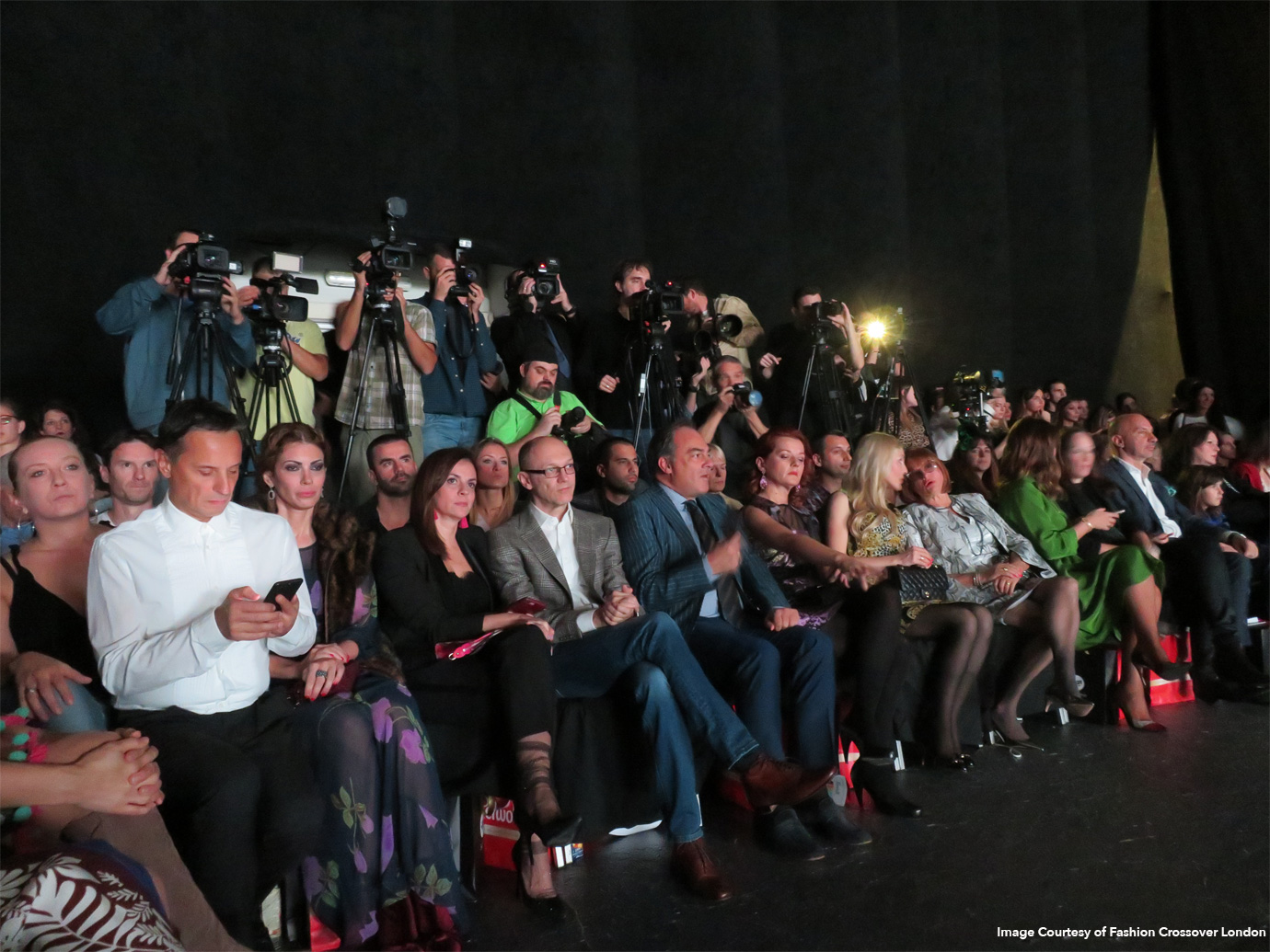
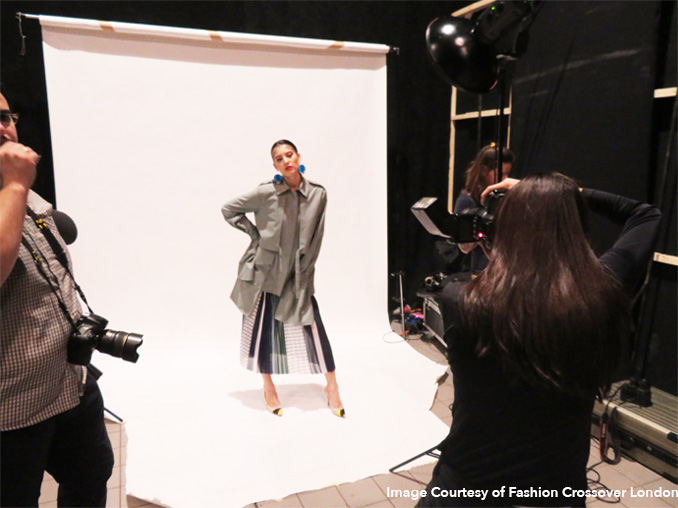
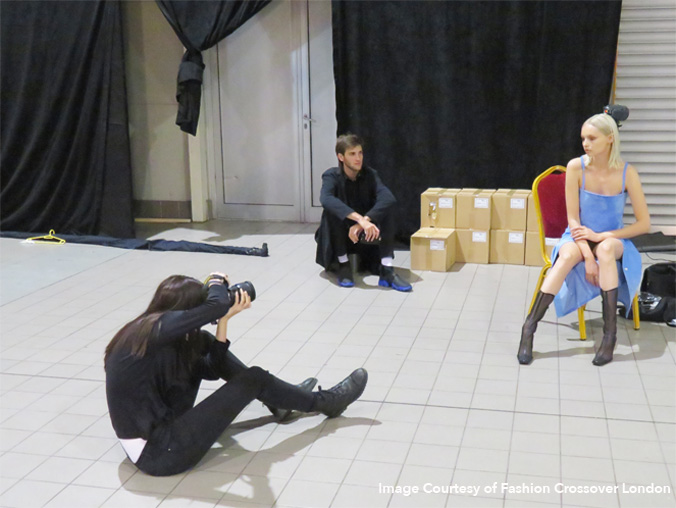
We have witnessed many strong designers and their creation in the Belgrade Fashion Week. Has the rich cultural and historic background of Serbia impacted the designers and their collections in anyway?
I would say it has in some way, yes, because some designers are inspired by the cultural and historic background of the country and the city. Having said that, the creativity of the designers is what makes them successful. We made a lot of projects which linked back to Serbian heritage and they were very successful internationally. Our Ethnographic museum is full of fabulous exhibits and museum values. I think we can use that route more as authentic fashion is becoming more and more valuable.
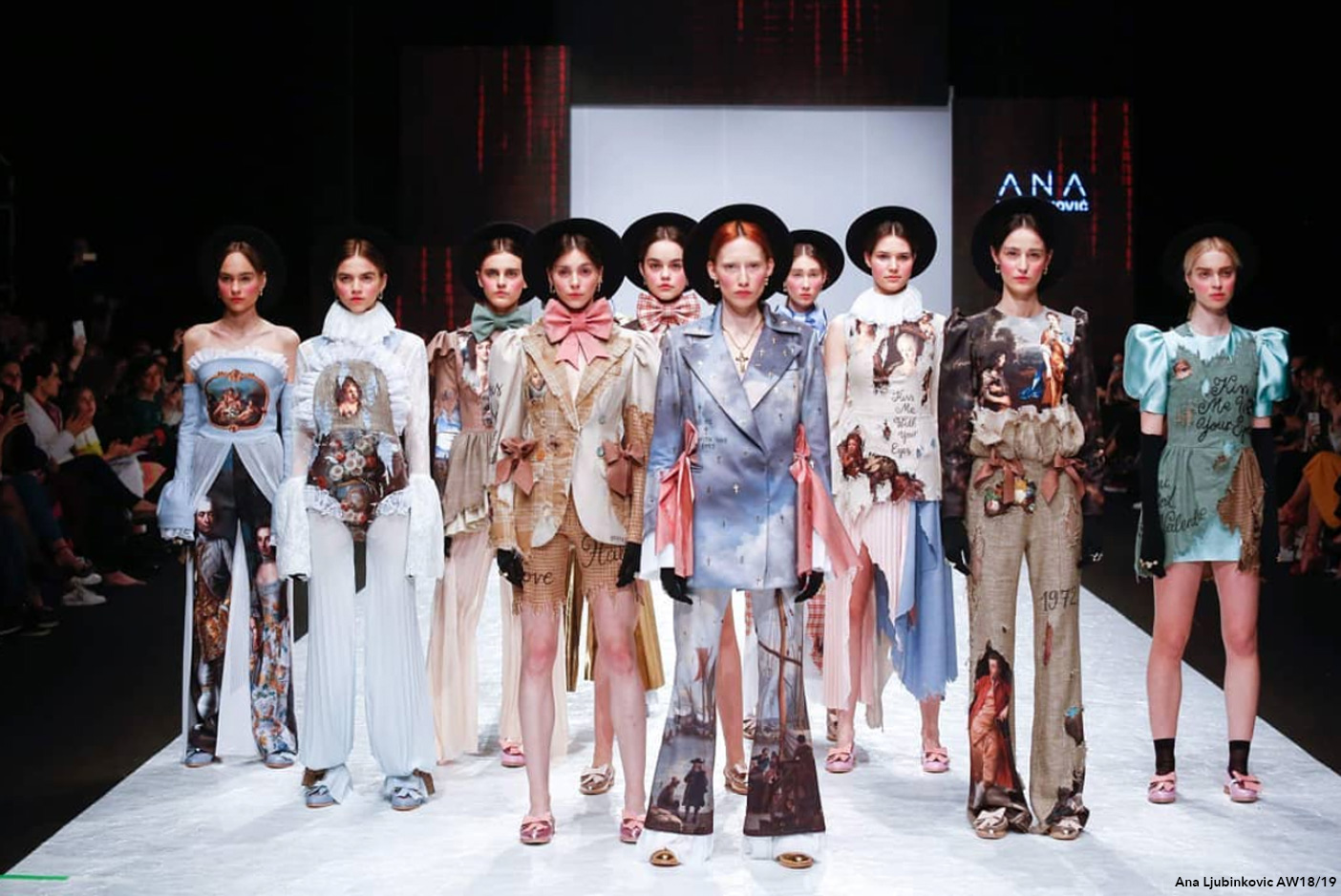
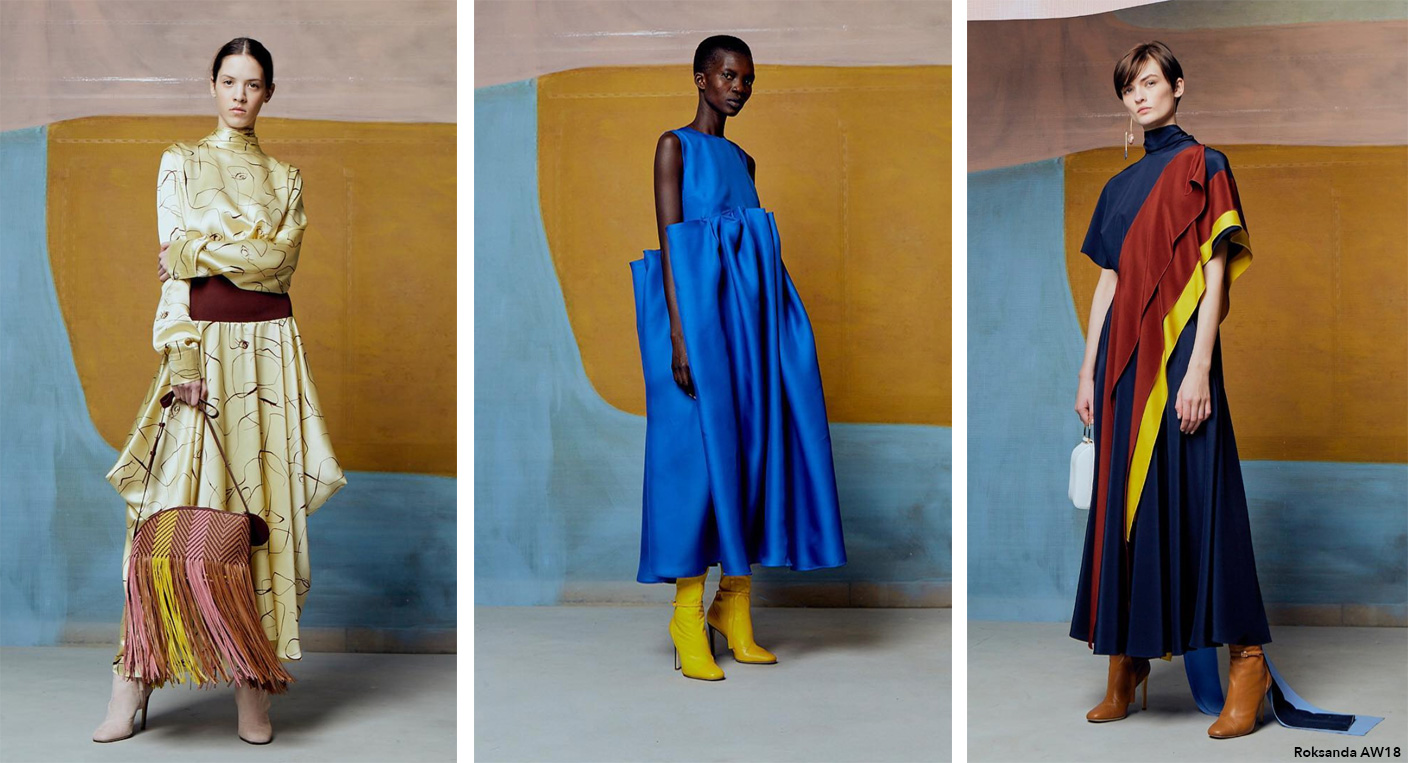
As a pioneer in the Serbia fashion industry, what do you see the fashion industry in Serbia will become in 5 years time?
I will said pioneer in emerging Serbian design, because all independent and young designers grow with Belgrade Fashion Week since we started this project. The Serbian fashion industry was very strong in the 80’s but we suffering a lot during the Balkans war and the economic crises in the 90’s. During last 15 years our fashion industry showed better and better results. I would like to see better collaboration between our industry and emerging fashion designers. Ideally, we would see talented Serbian designers doing really well internationally as well as Belgrade becoming known as a shopping destination with BFW playing a key role in all of this. However, we are not at that point yet, but we are definitely working towards it and I’ve seen positive changes in the recent years.
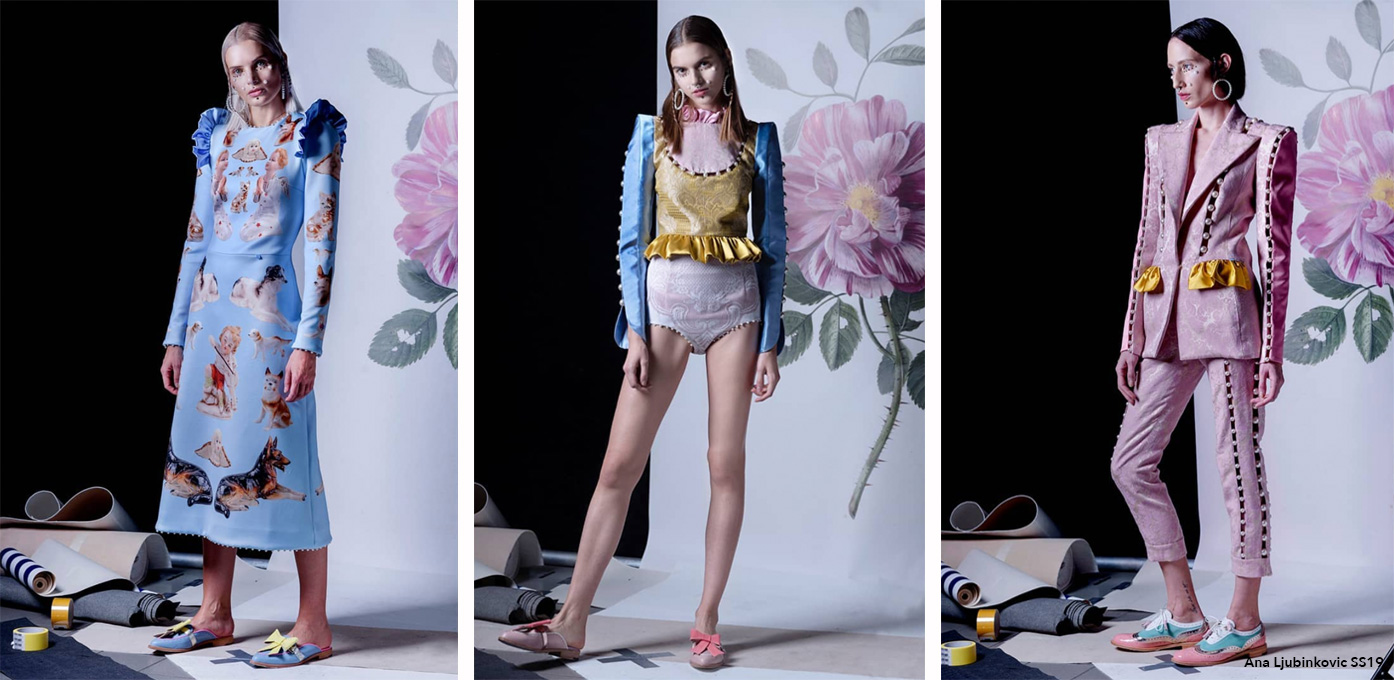
Besides fashion, what do you think would be attractive in Belgrade and Serbia to see and do for foreign visitors?
The main thing that tourists should do when they come to Serbia is to “do as Serbs do”. Belgrade is more about experiencing the atmosphere and the culture - definitely taste local food and drinks in between museum visits and experience the very colourful nightlife. Kalemegdan and Knez Mihailova are a must - the main pedestrian street in Belgrade leads to the fortress and the amaizng view of the confluence of Sava and Danube. Middle age Serbian monasteries are the biggest heritage in our history, most of them belong to UNESCO’s world heritage sites. But the best thing in Belgrade are people. If you have the opportunity to have local Belgrade person as a host you will experience something unique. Lot of foreign journalist said that Belgrade is the Balkan Berlin.
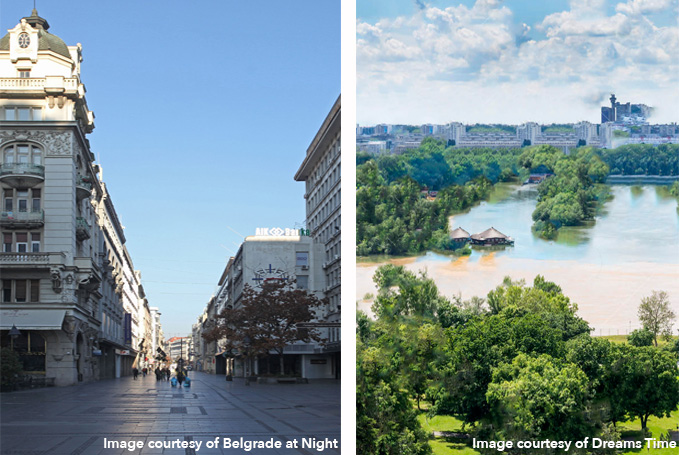
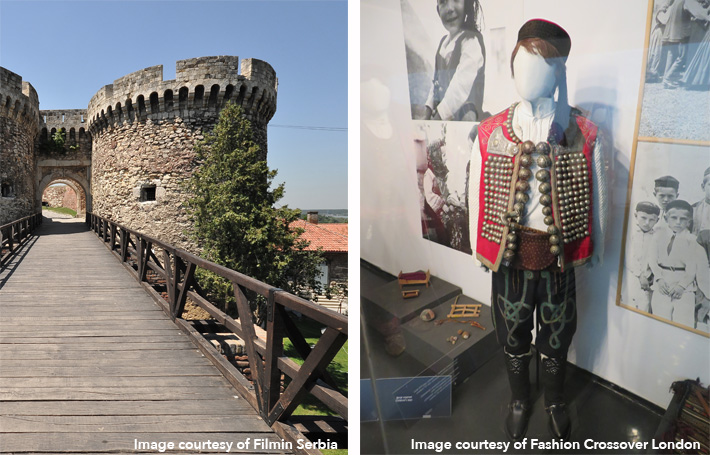
In addition to the Belgrade Fashion Week, we have witnessed the presence of many multinational organisations, such as Bank of China, Societe Generale, Dell, Microsoft, Asus, Samsung and Huawei in Belgrade. It is apparent with the lead of the capital city, the entire country is on the verge of pushing out its barriers along sports, agriculture, technology and commerce. By choosing to remain largely neutral on most foreign affairs, Serbia has generally managed to avoid disturbance from international political turbulence, and it is foreseeable the country shall able to develop strong economical, political and cultural partnerships with different parts of the world.
From what we have experienced, Belgrade Fashion Week is a true representation of Serbian designer brands and a platform to showcase the latest creations from the local fashion industry. Combined with the specialty of the local fashion market , the event has connected the display of collections, catwalk shows and after-party into a singular event, and consequently has maximised the advertising and commercial effect for the designers and the sponsoring brands involved. With the rapid development of globalisation, Belgrade Fashion Week has exhibited a genuine willingness to invite foreign designers for joint collaboration. Besides from enhancing cultural exchange, it has also encouraged the development of transnational commercial relationship, this should be a significant distinctiveness of Belgrade Fashion Week in the international fashion industry. We very much look forward to what surprises Belgrade Fashion Week and its designers shall continue to bring to the world of fashion.
Written by Tom Lui