
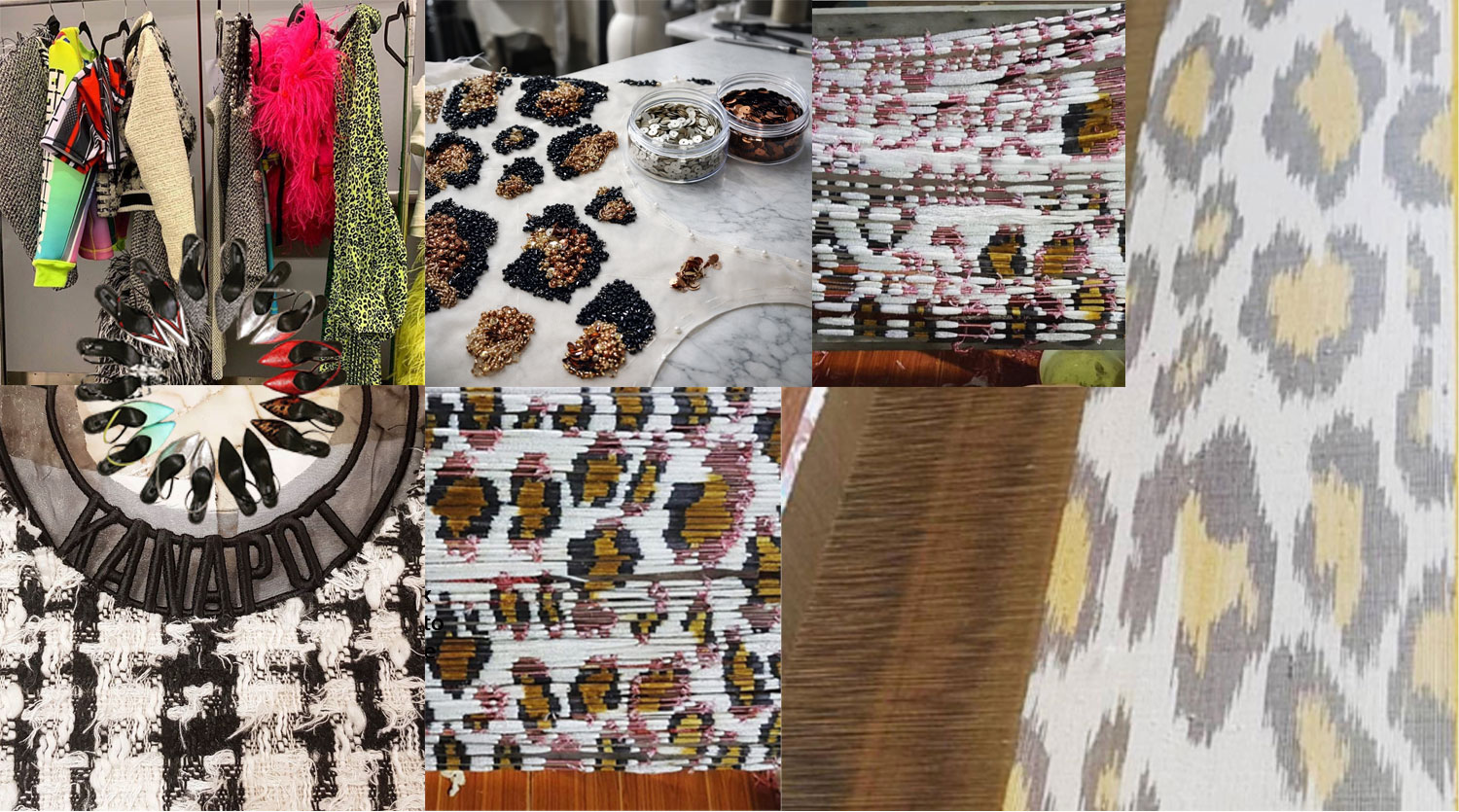
Thai designer Kanapot Aunsorn showcased his collection at LA Fashion Week 2019 on 9 October at the Petersen Automotive Museum. The event was organised by the Royal Thai Consulate-General in Los Angeles alongside several Thai trade and tourism bodies. It drew over 500 attendees, including fashion professionals, influencers, and diplomatic representatives. His collection, "Driversity," blended 1980s fashion influences with Thai textile heritage under the theme of social diversity. The show served as a platform to promote Thai craftsmanship and culture on the international stage.
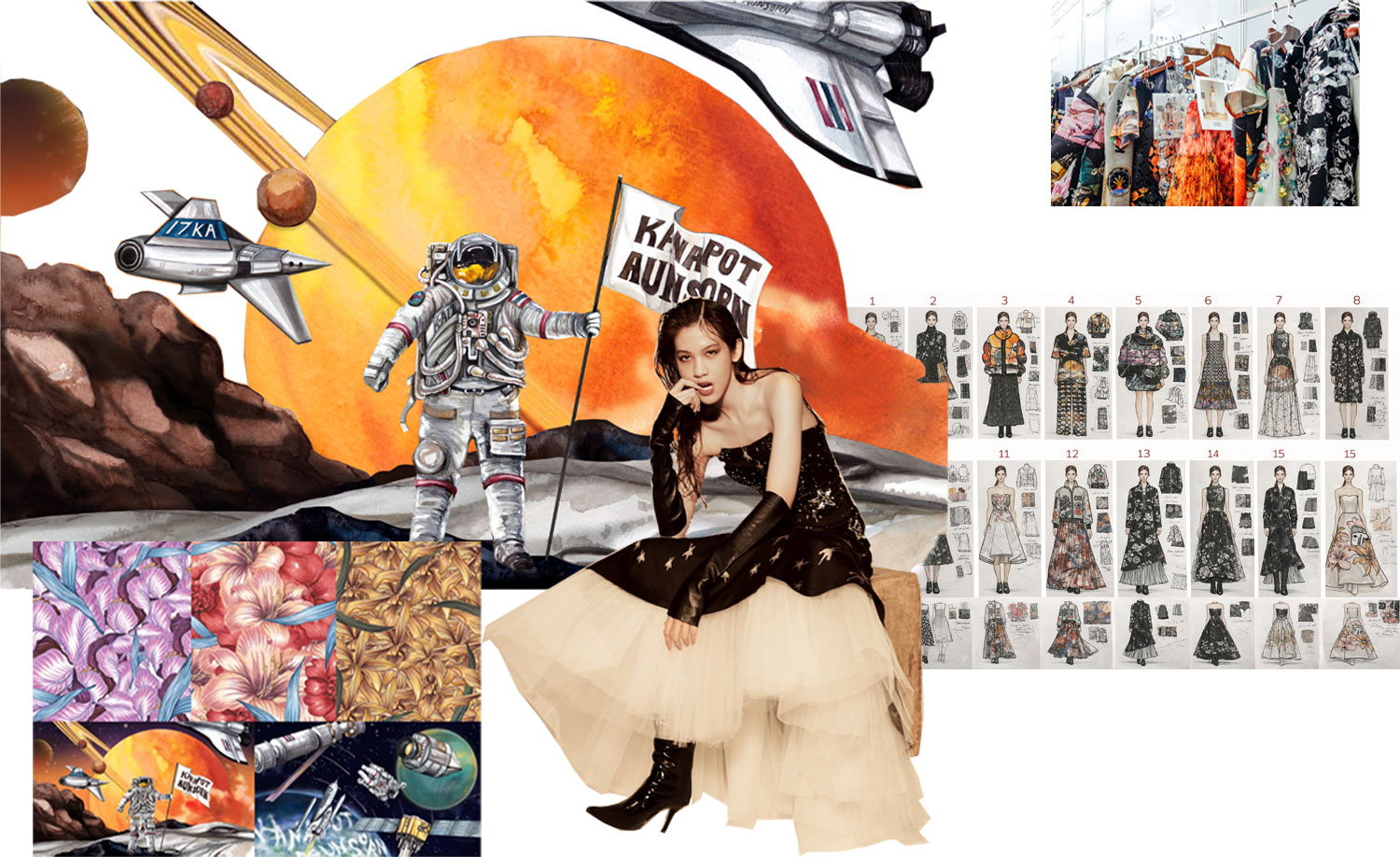
In 2017, Kanapot Aunsorn was invited as a "new-wave" designer to present at ELLE Fashion Week in Bangkok, one of Thailand's most influential fashion platforms. His collection drew inspiration from the film Hidden Figures, translating its themes of strength and determination into wearable design. The collection stayed true to the brand's "Street Couture" identity, spanning casual wear to eveningwear with bold volumes and expressive silhouettes. It also incorporated 1960s Space Age aesthetics, blending floral prints with futuristic references inspired by the era's fascination with space exploration. The presentation highlighted Kanapot's distinctive approach of merging artistic storytelling with contemporary fashion and textile innovation.
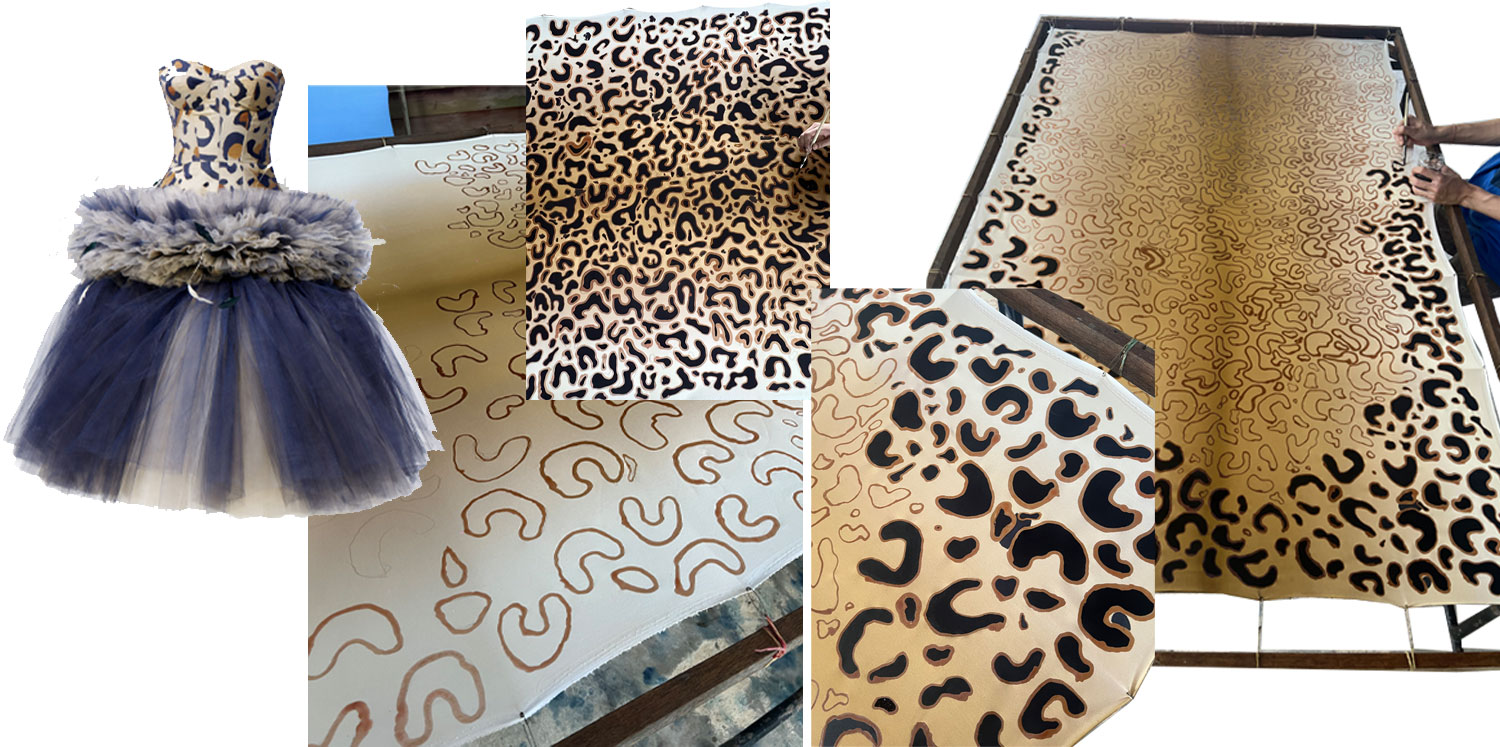
KANAPOT collaborated with Disney Thailand to create a custom couture look for Thai singer Wichayanee "Gam" Pearklin, the voice of Nala, for the Thai premiere of Mufasa: The Lion King. The strapless corset featured a leopard motif crafted using traditional Thai batik techniques, with hand-applied wax resist creating organic, wildlife-inspired patterns. It was paired with a voluminous layered tulle skirt in deep indigo, accented with feather details evoking the spirit of the savanna. The piece reflects KANAPOT's signature approach of blending traditional Thai textile craftsmanship with contemporary couture. The collaboration underscores the brand's ongoing relationship with Disney Thailand, bridging heritage techniques with global cinematic storytelling.
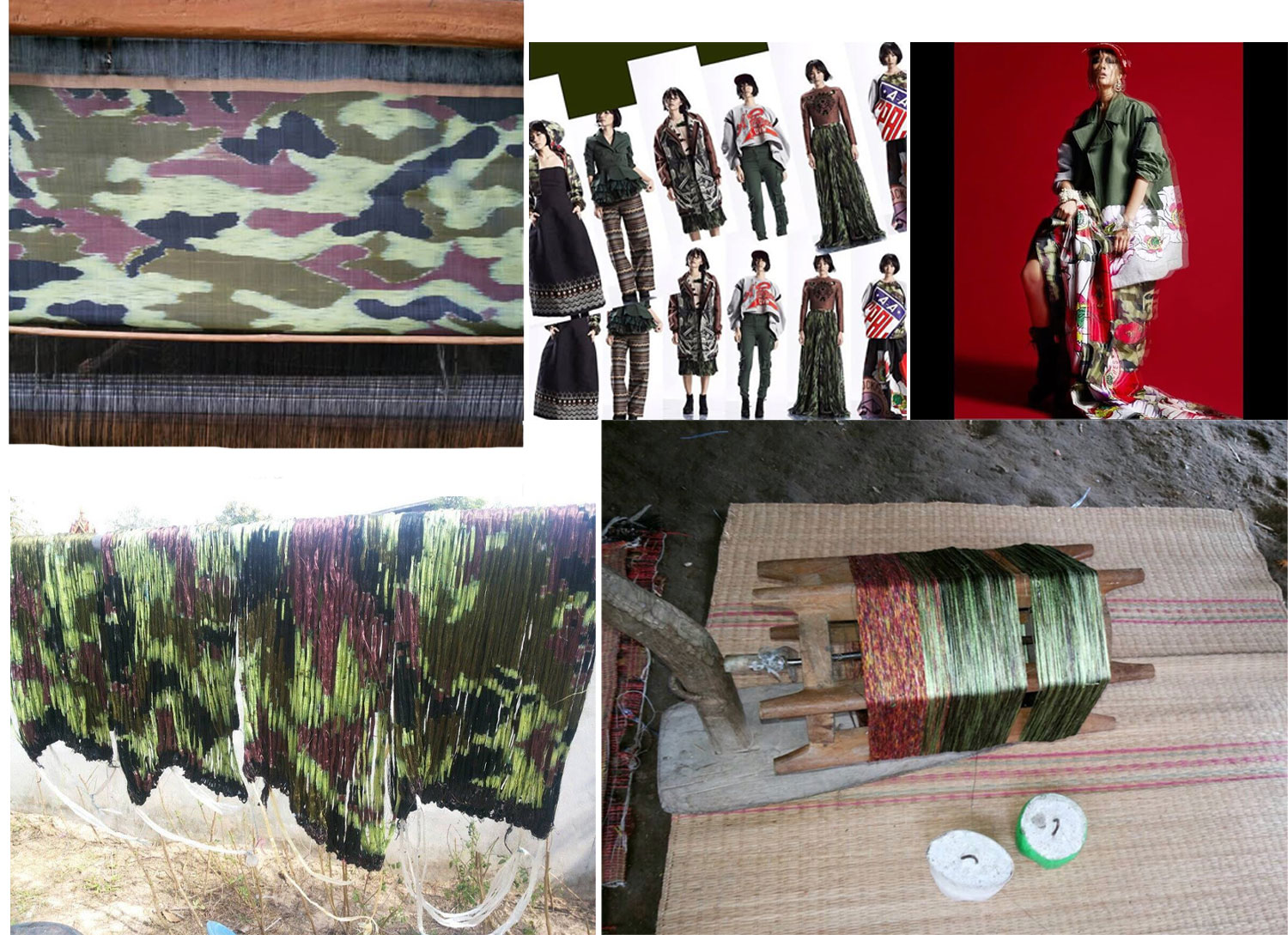
KANAPOT's graduate collection laid the foundation for the brand's design philosophy by transforming traditional Ikat weaving techniques into a contemporary camouflage visual language. Drawing on Ikat's blurred, resist-dyed characteristics, the collection reinterpreted organic pattern distortions as a form of "cultural camouflage," disconnected from military references. Instead, the motif was reimagined to explore themes of identity, adaptation, and the fluidity of tradition within modern society. The project translated handcrafted textile irregularities into engineered prints and structured silhouettes that balance form and movement. This early work established KANAPOT's core ethos: using heritage not merely for preservation, but as a dynamic framework for reinvention within global contemporary fashion.