
The Queen's surprise visit and the unexplored market in China
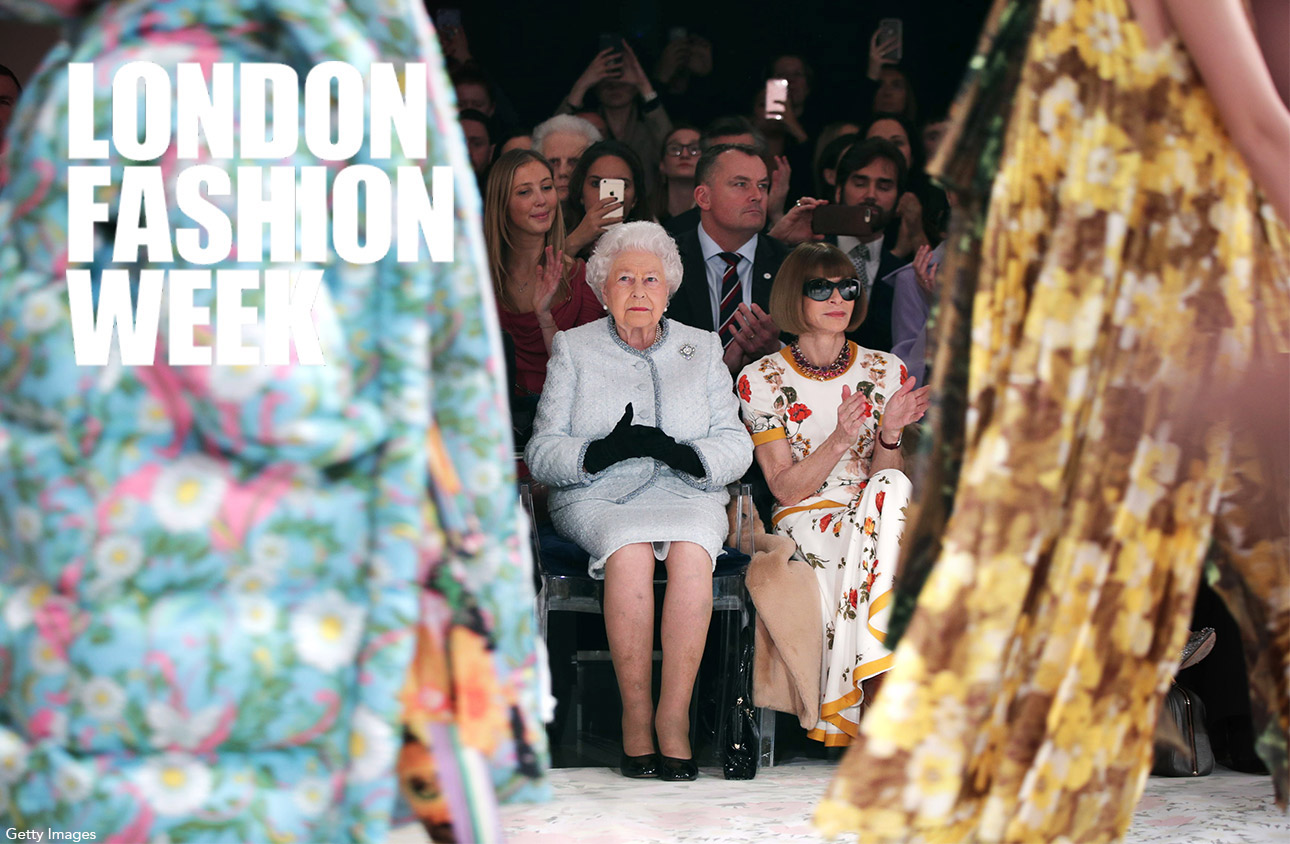
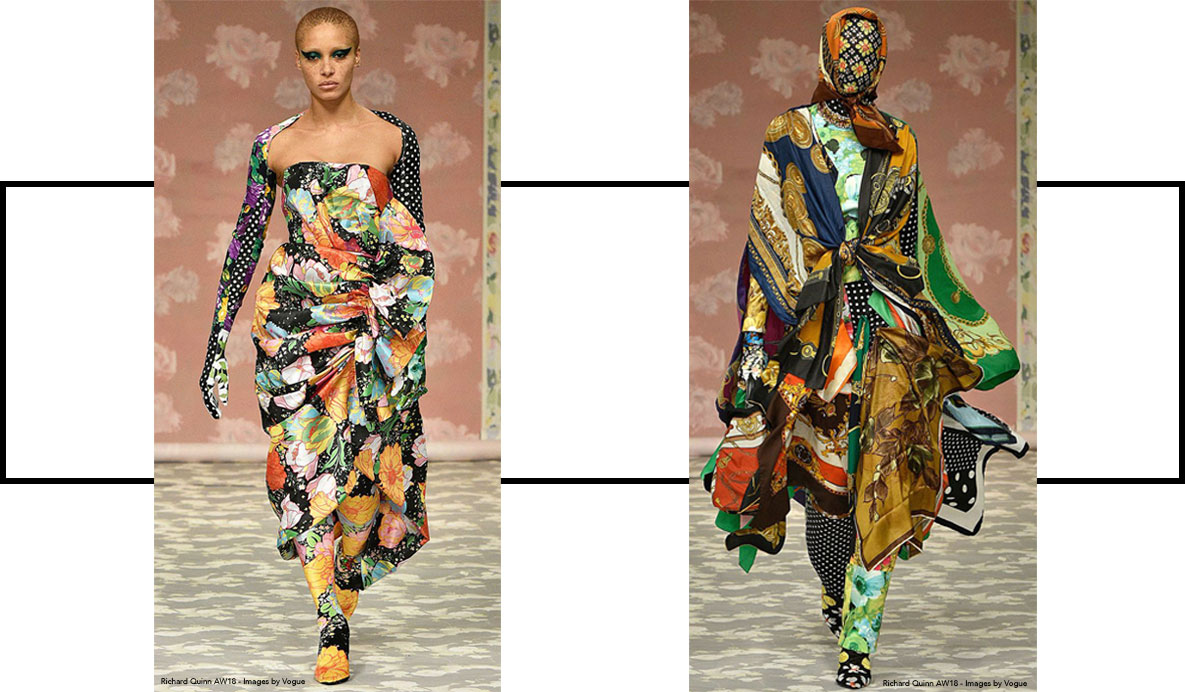
Something extraordinary has occurred in this year's London Fashion Week: Queen Elizabeth has paid a visit to the venue at 180 Strand, and awarded Central Saint Martins' 2016 MA Fashion graduate Richard Quinn with the inaugural Queen Elizabeth II Award for British Design at Quinn's own Catwalk show.
Something extraordinary has occurred in this year's London Fashion Week: Queen Elizabeth has paid a visit to the venue at 180 Strand, and awarded Central Saint Martins' 2016 MA Fashion graduate Richard Quinn with the inaugural Queen Elizabeth II Award for British Design at Quinn's own Catwalk show.
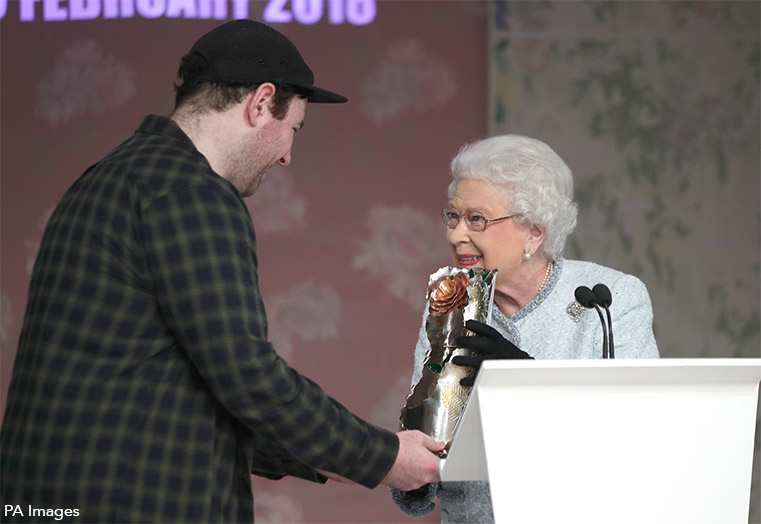
While it is most encouraging to see Her Majesty on site visiting displays and meeting designers at the Autumn/Winter 2018 fashion festivities, one can not help but wonder, is there a deeper underlying implication in the Queen's visit?
Historically, the UK has three well known economic pillars: education, tourism, and finance. These industries are crucial to the foundation of the UK economy, as they earn trade surpluses through the generation of foreign income from other countries.
Because of the potential headwind from Brexit, although the first two sectors should remain relatively unscarred for the time being, the finance industry will very likely face a grimmer prospect, as UK banks will cease to hold the EU Passporting Right, a license required to manage the wealth residing in continental Europe.
While Brexit may have an adverse impact on certain industries in the UK, its influence does not necessarily extend to all industries. The fashion industry, for example, shall largely remain borderless and free from EU regulations for the foreseeable future.
The core elements to the fashion industry are designers and their innovative ideas. The UK, particularly London, are very much still in the lead in terms of being the cradle that nurtures the next generation of fashion designers and their creative thoughts. As such, it is very wise, and practical, to reinforce the country's strength in this area, especially at these critical hours.

Where did this new and wonderful appetite for UK products emerge from? As a result of the economic growth from recent years, there has been a rapid rise in the number of middle and upper class in China, and along with that, a new breed of spending power. As exhibited by the Mandarin speaking sales person positioned at each of the counter in Harrods and Selfridges, there is no limit on how much Chinese consumers would lavishly spend on high end items. Yet, it is also increasingly apparent, that traditional high street brands are becoming more and more disconnected, in meeting the changing taste of the market, as it shifts steadily towards products of a more bespoke design.
Fashion Crossover London, and its global strategic position
As new boutiques are blossoming in various cities in China to meet this new demand, Fashion Crossover London has formed commercial partnership with various retailers such as K11, to bring the European designer products under its platform to end consumers in China. It has also partnered with various government bodies, such as the Guangdong Fashion Council, to develop cross border cultural exchange and collaboration between UK and China. The goal of the company, is to connect the unexplored resources from the new world, with the traditional value of an established industry, and create a rich and dynamic stream of interaction that has never existed before.
Armed with this vision, and by leveraging on its relationships, Fashion Crossover London will look to bridge creativity between the East and West, and at the same time, foster organic cultural growth across both regions.
Because of the potential headwind from Brexit, although the first two sectors should remain relatively unscarred for the time being, the finance industry will very likely face a grimmer prospect, as UK banks will cease to hold the EU Passporting Right, a license required to manage the wealth residing in continental Europe.
While Brexit may have an adverse impact on certain industries in the UK, its influence does not necessarily extend to all industries. The fashion industry, for example, shall largely remain borderless and free from EU regulations for the foreseeable future.
The core elements to the fashion industry are designers and their innovative ideas. The UK, particularly London, are very much still in the lead in terms of being the cradle that nurtures the next generation of fashion designers and their creative thoughts. As such, it is very wise, and practical, to reinforce the country's strength in this area, especially at these critical hours.
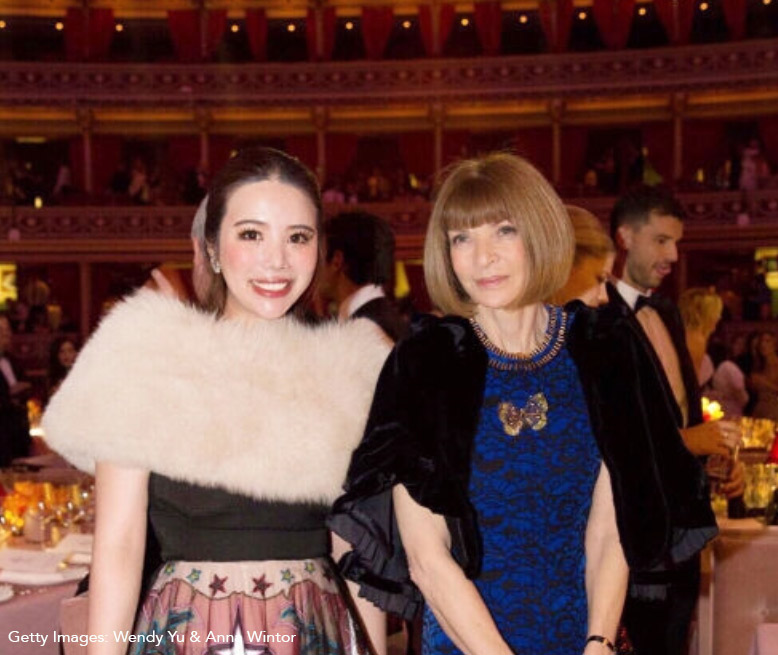
Such strength has certainly not gone by unnoticed, as there has been an increasing tendency for global capital to invest in promising UK designer brands. One fine example would be Wendy Yu, a Chinese heiress turned investor, acquiring a stake in London-based womenswear label Mary Kantrantzou known for its signature trompe l'oeil prints created by CSM alumni and founder Kantrantzou.
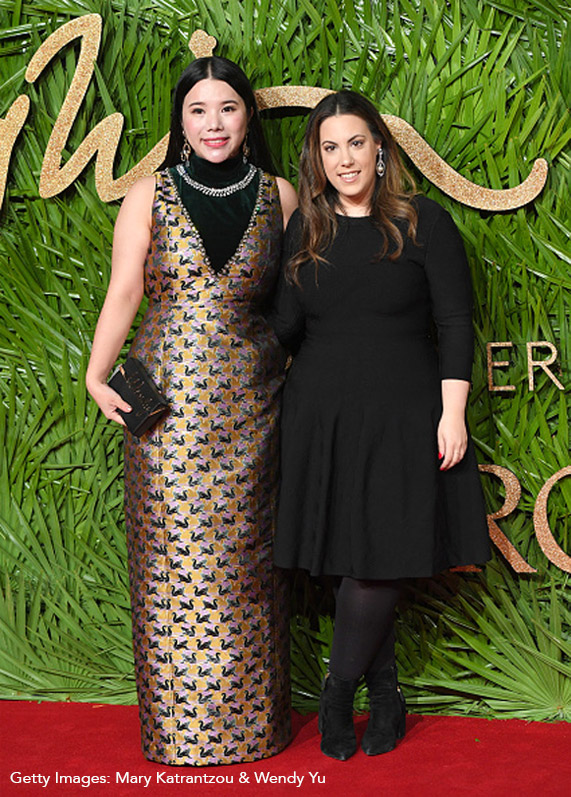
The good news is the investment doesn't stop there, as Yu is looking to invest a total of $20 million into the fashion industry in 2018. As such, it is foreseeable, that more capital will continue to flow into this country, as it remains the origin of inspiration in Europe.
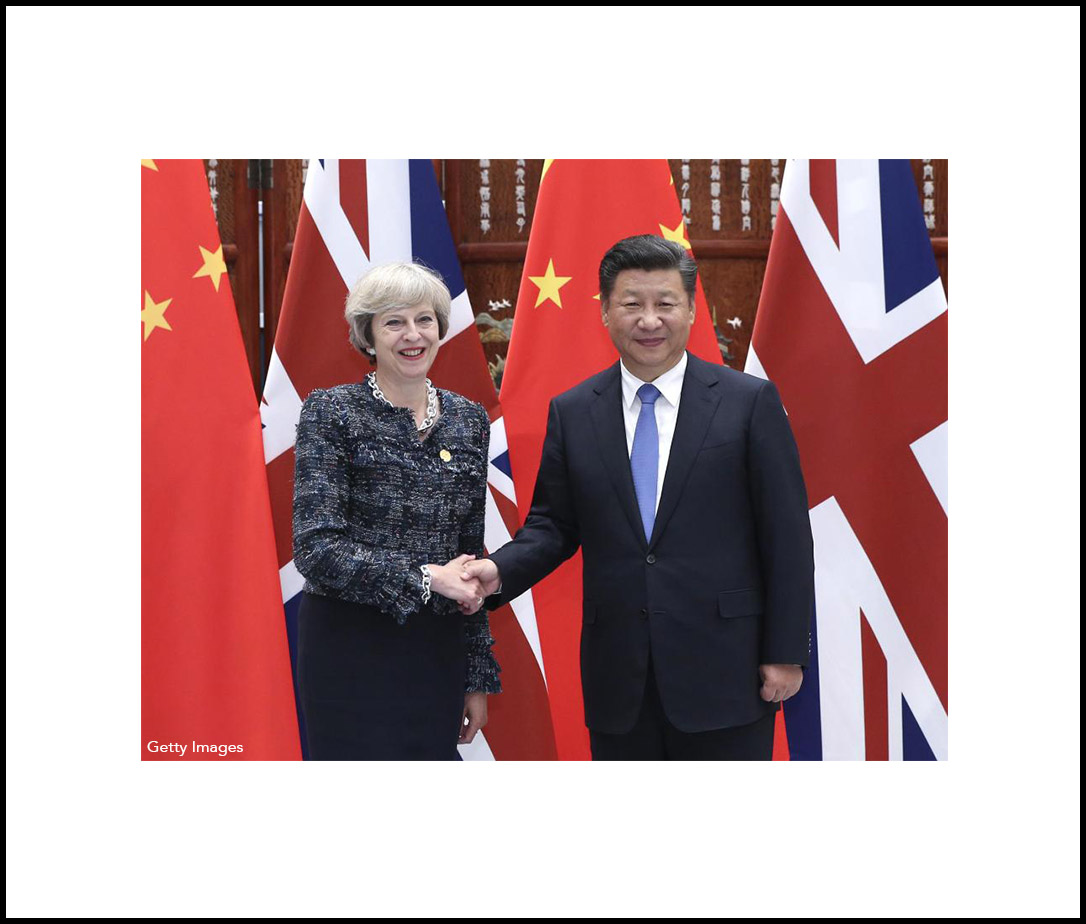
In addition to China's oversea investment capital, its consumer market is also very eager to go global. Trade ties between Britain and China has been continuously accelerating, with exports having increased by 60 percent since 2010, and totalling to more than £13 billion in 2017. British Prime Minister Theresa May's visit to China in February this year alone, has secured new trade deals worth more than £9.3 billion. The London to China freight train which was set into motion from early 2017 under the "New Silk Road" initiative, is another clear reflection of the underlying demand for UK products from China.
In addition to China's oversea investment capital, its consumer market is also very eager to go global. Trade ties between Britain and China has been continuously accelerating, with exports having increased by 60 percent since 2010, and totalling to more than £13 billion in 2017. British Prime Minister Theresa May's visit to China in February this year alone, has secured new trade deals worth more than £9.3 billion. The London to China freight train which was set into motion from early 2017 under the "New Silk Road" initiative, is another clear reflection of the underlying demand for UK products from China.
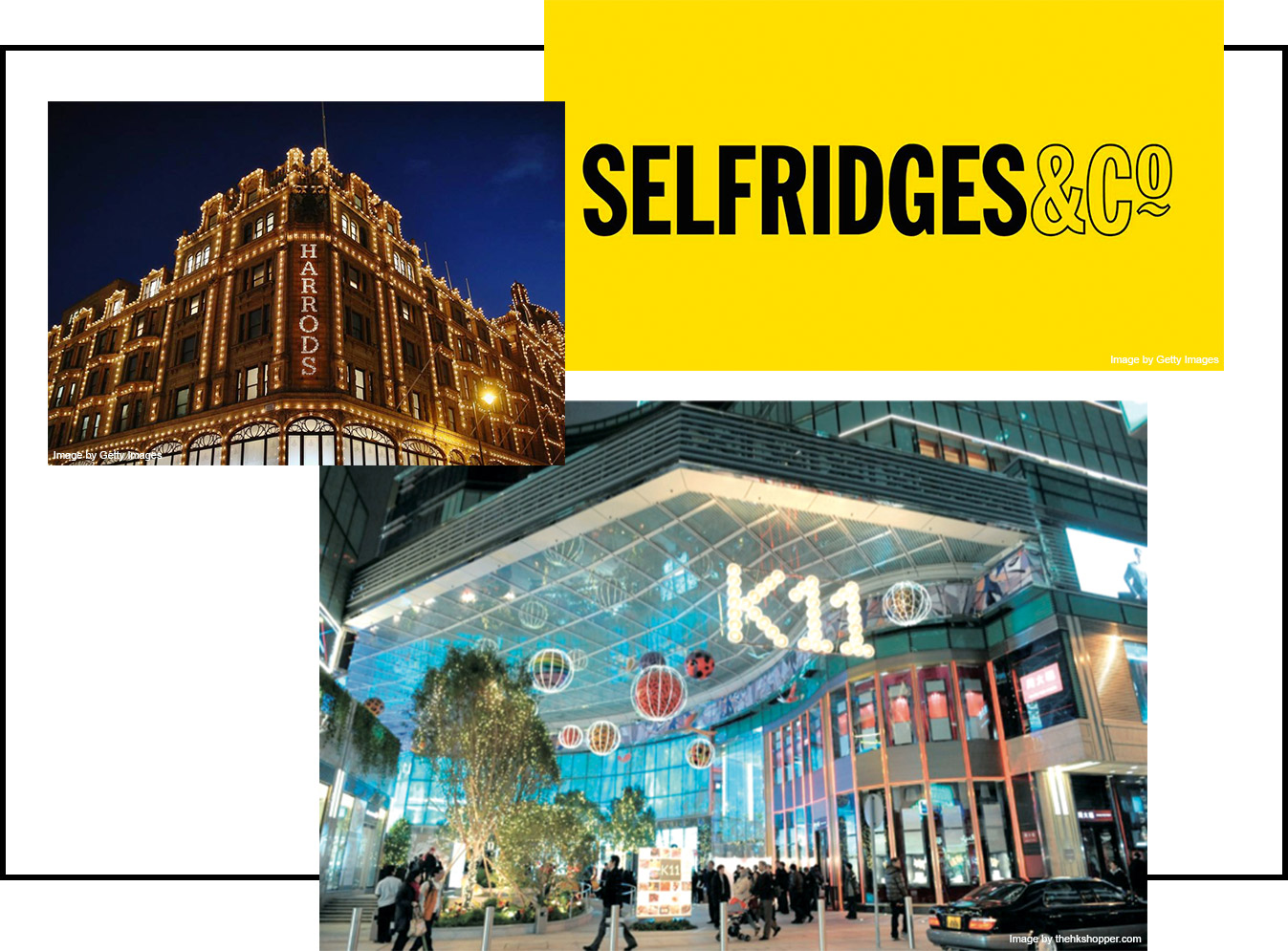
Where did this new and wonderful appetite for UK products emerge from? As a result of the economic growth from recent years, there has been a rapid rise in the number of middle and upper class in China, and along with that, a new breed of spending power. As exhibited by the Mandarin speaking sales person positioned at each of the counter in Harrods and Selfridges, there is no limit on how much Chinese consumers would lavishly spend on high end items. Yet, it is also increasingly apparent, that traditional high street brands are becoming more and more disconnected, in meeting the changing taste of the market, as it shifts steadily towards products of a more bespoke design.
Fashion Crossover London, and its global strategic position
As new boutiques are blossoming in various cities in China to meet this new demand, Fashion Crossover London has formed commercial partnership with various retailers such as K11, to bring the European designer products under its platform to end consumers in China. It has also partnered with various government bodies, such as the Guangdong Fashion Council, to develop cross border cultural exchange and collaboration between UK and China. The goal of the company, is to connect the unexplored resources from the new world, with the traditional value of an established industry, and create a rich and dynamic stream of interaction that has never existed before.
Armed with this vision, and by leveraging on its relationships, Fashion Crossover London will look to bridge creativity between the East and West, and at the same time, foster organic cultural growth across both regions.