
TEXTILES DESIGN PROCESS
MENSWEAR
TEXTILES
JEWELLERY
FOOTWEAR
AMBER MAY
 Amber May’s graduate collection was inspired by bodily kinaesthetic intelligence. The ability to construct physical objects which evolve through the repetitive hand movement fascinated her. Led by the creativity of ‘Hands’, she explored physical evidence of this whilst travelling in Bangkok, Thailand. Captivated by architectural patterns and hand crafted applique tiled surfaces, it was an immediate source of inspiration for the collection.
Read more
AMY MCCANN
Amy McCann’s collection was inspired by her dissertation, covering the issues behind the female form in the sense of how accessible plastic surgery is in the postmodern world. She explored the manipulation of the female form to encourage the 3-Dimensional design which can be seen within the development of her final collection, following a route of artistic and conventional design using mannequins to work on the stand and drape materials in order to grow the research she produced.
Read more
ANSON LAU
The eye often plays tricks on us. We usually see what we want to see – our brains way of filtering out all the tiny nuances that would otherwise be too overwhelming. Anson Lau, a Textile Design graduate from Central Saint Martins focuses on these preconceptions and more often than not misconceptions. Taking some wise words from the wise philosopher Aristotle to heart, “our senses can be trusted but they can be easily fooled”, her collection focuses on the disparity between what we see and what actually is.
Read more
ASHLEY RAYNOR
Ashley Raynor’s collection was heavily inspired by the pollution and contributing factors towards global warming and the decline of animal and plant life as a direct result of polluting factors. She combines the use of zero-waste pattern cutting, organic fabrics, eco print and dying methods, recycling packaging, recycling fabrics and ancient printing techniques to create an assortment of garments to be worn by the first colony on Mars.
Read more
CHRISTINA SEEWALD
Christina’s research topic is concerned with sexual dependency and interdependency between individuals. Many people in big cities like London have the desire to be independent, but at the same time a craving for the intensity that comes from interdependency. The tension this creates seems to be a universal problem. (Nan Goldin)
In order to get visual inspiration she collaborated with Jelly Luise, another CSM student to create a mood film that would support her final collection in terms of colour, shape and structure. Christina provided image-heavy research that was rooted in Nan Goldin’s ‘Ballad of Sexual Dependency’, Schiele drawings and many others.
Read more
CONSTANCA ENTRUDO
Constanca Entrudo’s graduate collection is inspired by the whole idea of performance, circus and transgression. By embracing chaos during the creative process she aimed to generate fabrics that would challenge the usual processes of print making through the use of techniques such as dyeing, bondawebbing, melting different materials, pleating, folding and embossing.
In the first phase of her research she looked at Circus archives, London based performers and visited various vintage costume shops all over the UK in order to learn more about the materials and fittings that have been used in theatres and burlesque performances.
Read more
DINA FUSI
Attention at the core to these craft techniques gives a sense of childlike play through tactile experimentation and draws consumers into a rich and unique tangible experience with the brand.
The attention to craft processes is complemented throughout the collection by the use of modern digital techniques, including laser cutting and computer embroidery, allowing for more experimental and unique results.
Read more
ELIZABETH WHIBLEY
Elizabeth Whibley’s graduate collection ‘DREAMING AND DOING’ was heavily influenced by her independent research visit to Tokyo in May 2017. The name of her graduate collection is a reflection of her mindset to live life to the fullest, achieve dreams and get stuff done! Visiting this colourful city fulfilled a childhood desire of hers. Her feminine-wear collection visually communicates her trip through digital quirky illustrative prints and naive, yet well-considered collage prints.
Read more
FONING BAO
Foning Bao’s collection inspired by her grandparent's wedding picture in 1948, which is the time that China has been influenced by western culture for the most. she took the idea from the surreal western style flower shape of the bouquet and Boutonniere that her grandparents wearing, also with the combination of her grandmother’s eastern style vintage wedding flower fabrics.
Read more
FAYE ARGUELLES
Stirred by her birth country’s nature and landscape imageries, Arguelles contrasted heritage lands like the rice terraces – carved into the mountains by the hands of Filipino ancestors and indigenous people – with mining sites caused by urbanisation.
Read more
JOJO RUIJI ZHOU
Jojo’s collection is highly inspired by the stretchiness and flexibility of knitwear itself. Creating a story of in the future, when facing danger, people put on different kinds of clothing to protect themselves. Each outfit is based on various “Protection” stories and referencing Chinese auntie and uncles’ style as well as Bauhaus Ballet.
Read more
MEGAN ROSE
Megan Rose’s collection ‘obsessive|compulsive chaos’ is in aftermath from her most recent collection banepn valeri, where a new sense of understanding is found through the element of collecting. ‘Obsessive|compulsive chaos’ moves on from the formal elements of collecting- entertaining a more obsessive, compulsive chaotic association surrounding collecting with a strong focus on symbolising objects in place and being.
The collection really captures the impact of obsessive compulsive hoarding, developed from the initial inspiration of her Grandmother and her unusual range of collections on display within her home.
Read more
MIETE FARRER
Miette Farrer’s graduate collection, created in collaboration with Katie Westwood, was inspired by craft processes and the reinvention of the familiar. Drawing inspiration from the mass produced shirt and jeans, innovative textile techniques were explored to recreate the shadows, creases and suggestion of these garments. With the focus on process, techniques were pushed to the limits in order to recreate entire fabrics.
The importance of slow fashion is reflected through the time consuming processes of hand painting, cutting, manipulating and stitching to create fabrics and garments.
Read more
NADIA WIRE ALBRECHTSEN
The central aim of Color Intelligence is to highlight the importance of colour: How colour can guide and direct and tell its own language. A case study about lace and its patterns, formed the foundation for this collection: How women in the 18th century didn't knew how to read and therefore lace patterns was mapped out with a colour for each stitch. This aspect of using colours, as guidance is the main focus in Color Intelligence.
Michel Pastoureau's theory on colour and stripes founded the concept for this collection. Therefore this collection includes linear and irregular stripes from a naive and spontaneous point of view.
Read more
OLIVIA MAILEY
Olivia used her abstract photography as the key development when it came to designing her collection. By capturing the uncontrollable reactions triggered during physical and chemical changes she aimed to use her photography to spark a vivid colour palette, pairing pops of citrus tones with translucencies.
Initially inspired by David Mcleod’s 3D digital illustrations that represent movement and fluidity. The synthetic surfaces in Mcleod’s abstract compositions used in the IBM Outthink campaign illustrate the transition between different states of matter such as liquids, solids and gases. The idea of distortion emerges as surfaces combine creating an entrancing visual experience.
Read more
PALOMA ALARCON
Throughout the years it has become noticeable that culture tends to have an influence on the way individuals experience and perceive life. Paloma has always had a profound admiration for Peru, its culture and its people.
Being bought up in Lima, the capital of Peru, developed her interest and admiration of their architecture and textile manipulation. Their colourful layered houses and diverse historical locations such as Macchu Picchu and Chan Chan provide meaningful illustrations of ancient art.
Read more
POPPY FULLER
Drawing on her initial theme of magic, she expanded to a more abstract approach as her work progressed. Focusing on elements such as transformation, distortion of reality and secret knowledge allowed her to express her research in a more individual way. Graduations in colour, obscured patterns and glitches all contribute to the illusive mood of her designs.
The concept behind her final outcomes were that they were talismanic fabrics, with specific protective elements woven into their design. It was important for her to capture the sense of mystery from her research while creating a collection that was still sophisticated and new.
Read more
RAMUNE RASLAVICIUTE
The design process takes inspiration from smart, elegant early 20th-century fashion, which designer’s grandparents used to wear. To be able to create such garments, it required her to learn vintage couture tailoring technique used by worldwide known tailors of Saville Row. Designer creates a monochromatic aesthetic with the splash of bright, ultramarine blue detailing and matt black trims by sourcing the materials from local garment shops and then readjusting them to her needs..
Read more
VALIA KAPELETZI
The initial inspiration behind Valia’s vision was the irregular beauty of the hammock, its construction, behaviour to movement and function. The interaction of movement with light and the human body are translated into dimensional installation pieces with playful colours and intriguing handcrafted details.
After vast experimentation with different materials and techniques, the final compositions consist of hand woven polyester yarns and other polyester materials which have been dyed with dye sublimation, while their core structure is the result of the wire that is woven together and incorporated as a backbone to the dimensional constructions.
Read more
WINNIE YEUNG
The concept of Winnie Yeung's final project is ‘Growing’. The initial inspiration comes from aerial photography of tulip fields in The Netherlands. Instead of using pen or acrylics to draw and paint, Winnie uses the knitting machine as her drawing tool, and the different kind of yarn as the medium.
Winnie loves experimenting with a range of knitting techniques and yarn combinations. Her first samples have become the visual and haptic inspiration for her next works. In addition, her research method is by observing the details of her samples and taking photographs to make further developments and improvements in the following iterations.
Read more
CATEGORIES
WOMENSWEARMENSWEAR
TEXTILES
JEWELLERY
FOOTWEAR
ALEXANDRA LARRABURE
Material Memories explores the construction of memory and identity in relation to materiality, through a collage-like autobiographical narrative. The collection delves into family memories and temporalities, engaging in an ongoing process of defamiliarization and refamiliarization which understands memory as a construction based on ever-changing patterns and textures.
Read more
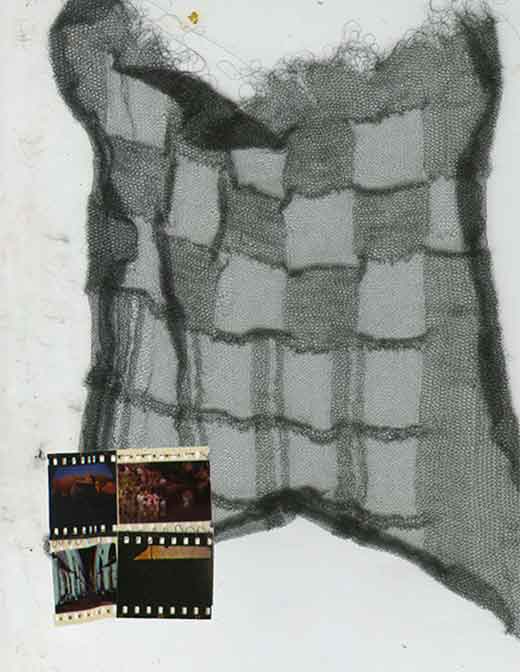 Material Memories explores the construction of memory and identity in relation to materiality, through a collage-like autobiographical narrative. The collection delves into family memories and temporalities, engaging in an ongoing process of defamiliarization and refamiliarization which understands memory as a construction based on ever-changing patterns and textures.
Read more
AMBER MAY
 Amber May’s graduate collection was inspired by bodily kinaesthetic intelligence. The ability to construct physical objects which evolve through the repetitive hand movement fascinated her. Led by the creativity of ‘Hands’, she explored physical evidence of this whilst travelling in Bangkok, Thailand. Captivated by architectural patterns and hand crafted applique tiled surfaces, it was an immediate source of inspiration for the collection.
Read more
AMY MCCANN
 Amy McCann’s collection was inspired by her dissertation, covering the issues behind the female form in the sense of how accessible plastic surgery is in the postmodern world. She explored the manipulation of the female form to encourage the 3-Dimensional design which can be seen within the development of her final collection, following a route of artistic and conventional design using mannequins to work on the stand and drape materials in order to grow the research she produced.
 Read more
ANSON LAU
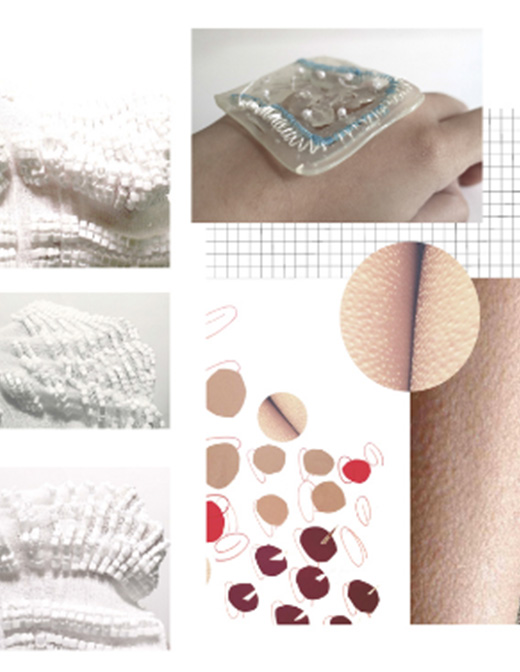 The eye often plays tricks on us. We usually see what we want to see – our brains way of filtering out all the tiny nuances that would otherwise be too overwhelming. Anson Lau, a Textile Design graduate from Central Saint Martins focuses on these preconceptions and more often than not misconceptions. Taking some wise words from the wise philosopher Aristotle to heart, “our senses can be trusted but they can be easily fooled”, her collection focuses on the disparity between what we see and what actually is.
Read more
ASHLEY RAYNOR
Ashley Raynor’s collection was heavily inspired by the pollution and contributing factors towards global warming and the decline of animal and plant life as a direct result of polluting factors. She combines the use of zero-waste pattern cutting, organic fabrics, eco print and dying methods, recycling packaging, recycling fabrics and ancient printing techniques to create an assortment of garments to be worn by the first colony on Mars.Read more
CHRISTINA SEEWALD
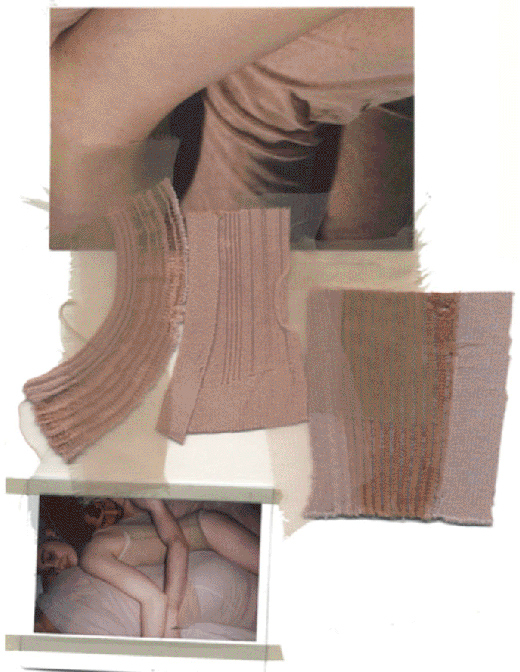 Christina’s research topic is concerned with sexual dependency and interdependency between individuals. Many people in big cities like London have the desire to be independent, but at the same time a craving for the intensity that comes from interdependency. The tension this creates seems to be a universal problem. (Nan Goldin)
In order to get visual inspiration she collaborated with Jelly Luise, another CSM student to create a mood film that would support her final collection in terms of colour, shape and structure. Christina provided image-heavy research that was rooted in Nan Goldin’s ‘Ballad of Sexual Dependency’, Schiele drawings and many others.
Read more
CONSTANCA ENTRUDO
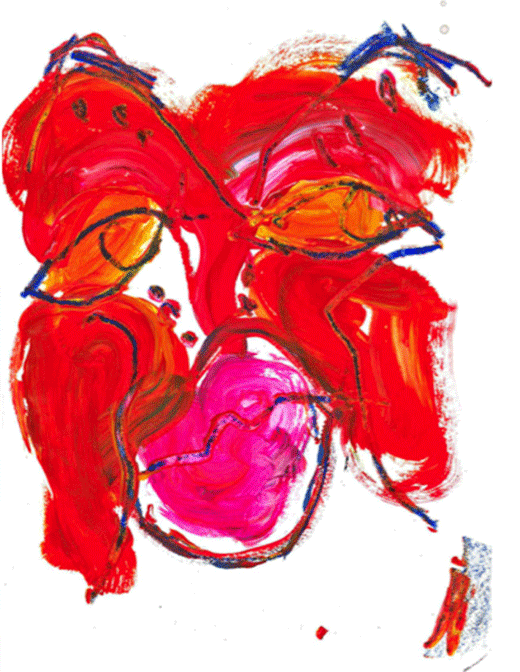 Constanca Entrudo’s graduate collection is inspired by the whole idea of performance, circus and transgression. By embracing chaos during the creative process she aimed to generate fabrics that would challenge the usual processes of print making through the use of techniques such as dyeing, bondawebbing, melting different materials, pleating, folding and embossing.
 In the first phase of her research she looked at Circus archives, London based performers and visited various vintage costume shops all over the UK in order to learn more about the materials and fittings that have been used in theatres and burlesque performances.
Read more
DINA FUSI

Attention at the core to these craft techniques gives a sense of childlike play through tactile experimentation and draws consumers into a rich and unique tangible experience with the brand.
The attention to craft processes is complemented throughout the collection by the use of modern digital techniques, including laser cutting and computer embroidery, allowing for more experimental and unique results.
Read more
ELIZABETH WHIBLEY
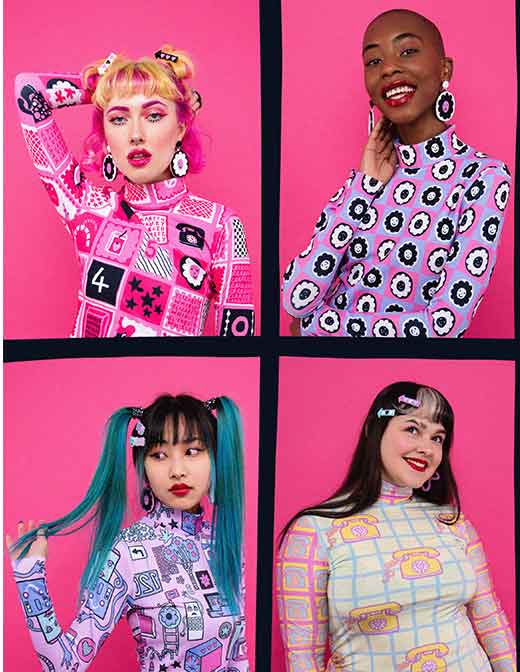 Elizabeth Whibley’s graduate collection ‘DREAMING AND DOING’ was heavily influenced by her independent research visit to Tokyo in May 2017. The name of her graduate collection is a reflection of her mindset to live life to the fullest, achieve dreams and get stuff done! Visiting this colourful city fulfilled a childhood desire of hers. Her feminine-wear collection visually communicates her trip through digital quirky illustrative prints and naive, yet well-considered collage prints.
Read more
FONING BAO
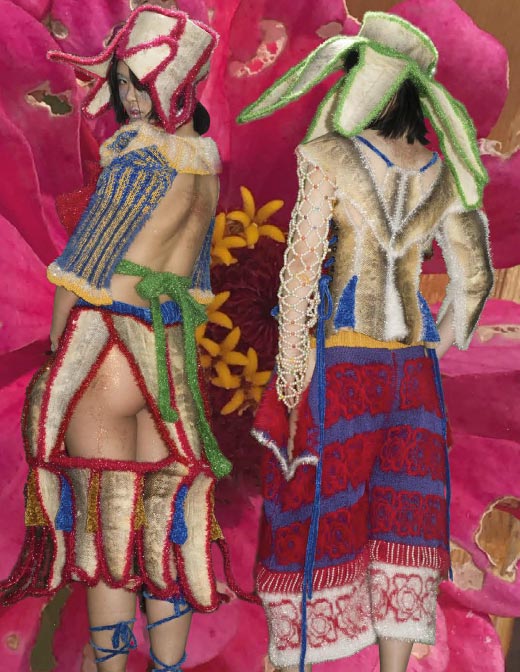 Foning Bao’s collection inspired by her grandparent's wedding picture in 1948, which is the time that China has been influenced by western culture for the most. she took the idea from the surreal western style flower shape of the bouquet and Boutonniere that her grandparents wearing, also with the combination of her grandmother’s eastern style vintage wedding flower fabrics.
 Read more
FAYE ARGUELLES
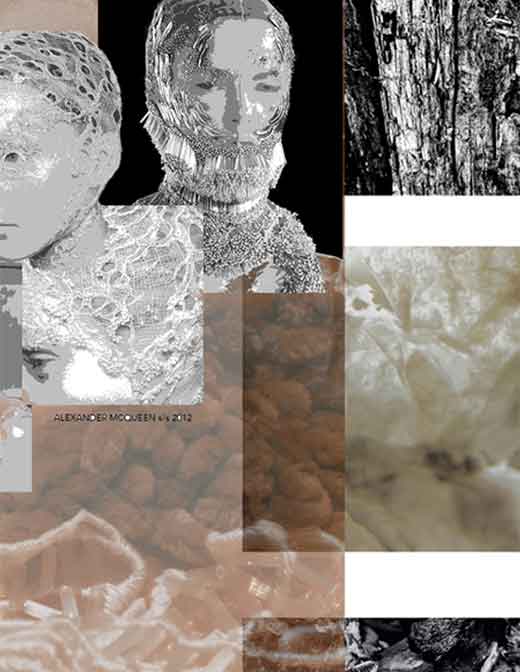 Stirred by her birth country’s nature and landscape imageries, Arguelles contrasted heritage lands like the rice terraces – carved into the mountains by the hands of Filipino ancestors and indigenous people – with mining sites caused by urbanisation.
 Read more
JOJO RUIJI ZHOU
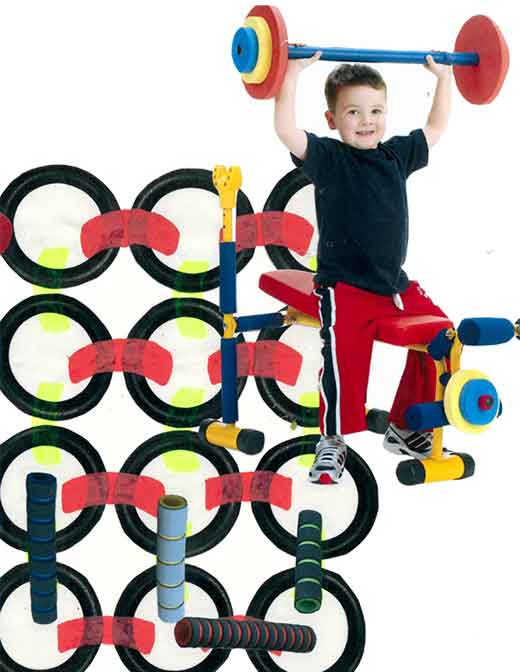 Jojo’s collection is highly inspired by the stretchiness and flexibility of knitwear itself. Creating a story of in the future, when facing danger, people put on different kinds of clothing to protect themselves. Each outfit is based on various “Protection” stories and referencing Chinese auntie and uncles’ style as well as Bauhaus Ballet.
Read more
MEGAN ROSE
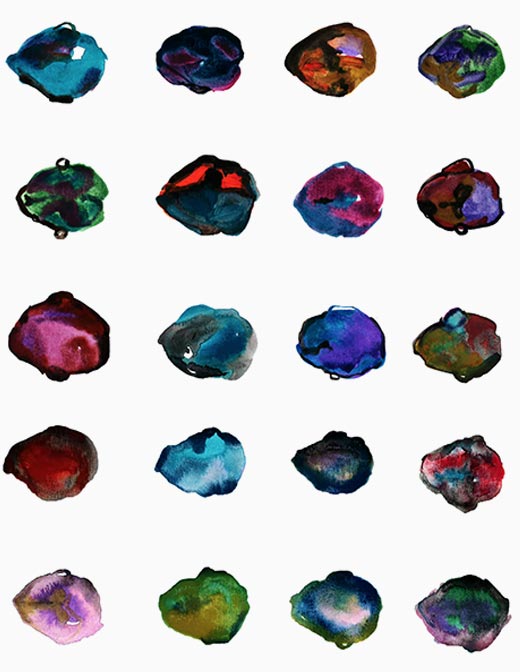 Megan Rose’s collection ‘obsessive|compulsive chaos’ is in aftermath from her most recent collection banepn valeri, where a new sense of understanding is found through the element of collecting. ‘Obsessive|compulsive chaos’ moves on from the formal elements of collecting- entertaining a more obsessive, compulsive chaotic association surrounding collecting with a strong focus on symbolising objects in place and being.
 The collection really captures the impact of obsessive compulsive hoarding, developed from the initial inspiration of her Grandmother and her unusual range of collections on display within her home.
Read more
MIETE FARRER
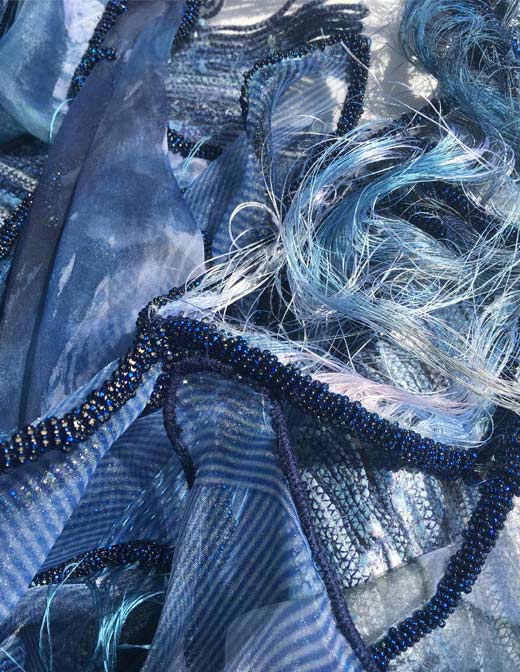 Miette Farrer’s graduate collection, created in collaboration with Katie Westwood, was inspired by craft processes and the reinvention of the familiar. Drawing inspiration from the mass produced shirt and jeans, innovative textile techniques were explored to recreate the shadows, creases and suggestion of these garments. With the focus on process, techniques were pushed to the limits in order to recreate entire fabrics.
The importance of slow fashion is reflected through the time consuming processes of hand painting, cutting, manipulating and stitching to create fabrics and garments.
Read more
NADIA WIRE ALBRECHTSEN
 The central aim of Color Intelligence is to highlight the importance of colour: How colour can guide and direct and tell its own language. A case study about lace and its patterns, formed the foundation for this collection: How women in the 18th century didn't knew how to read and therefore lace patterns was mapped out with a colour for each stitch. This aspect of using colours, as guidance is the main focus in Color Intelligence.
 Michel Pastoureau's theory on colour and stripes founded the concept for this collection. Therefore this collection includes linear and irregular stripes from a naive and spontaneous point of view.
Read more
OLIVIA MAILEY
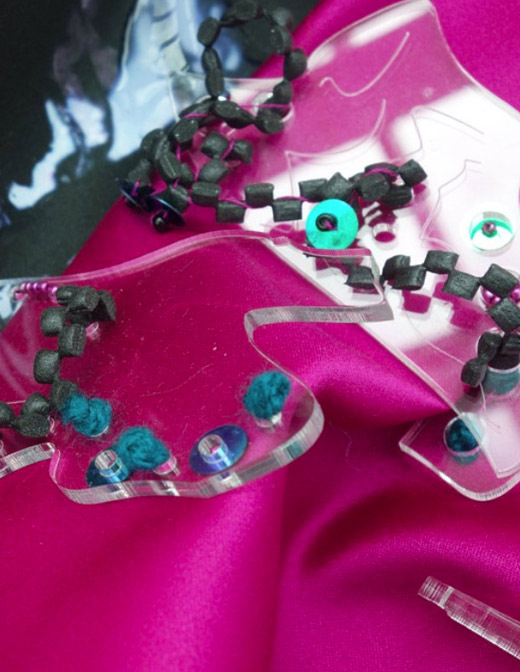 Olivia used her abstract photography as the key development when it came to designing her collection. By capturing the uncontrollable reactions triggered during physical and chemical changes she aimed to use her photography to spark a vivid colour palette, pairing pops of citrus tones with translucencies.
Initially inspired by David Mcleod’s 3D digital illustrations that represent movement and fluidity. The synthetic surfaces in Mcleod’s abstract compositions used in the IBM Outthink campaign illustrate the transition between different states of matter such as liquids, solids and gases. The idea of distortion emerges as surfaces combine creating an entrancing visual experience.
Read more
PALOMA ALARCON
 Throughout the years it has become noticeable that culture tends to have an influence on the way individuals experience and perceive life. Paloma has always had a profound admiration for Peru, its culture and its people.
Being bought up in Lima, the capital of Peru, developed her interest and admiration of their architecture and textile manipulation. Their colourful layered houses and diverse historical locations such as Macchu Picchu and Chan Chan provide meaningful illustrations of ancient art.
Read more
POPPY FULLER
 Drawing on her initial theme of magic, she expanded to a more abstract approach as her work progressed. Focusing on elements such as transformation, distortion of reality and secret knowledge allowed her to express her research in a more individual way. Graduations in colour, obscured patterns and glitches all contribute to the illusive mood of her designs.
The concept behind her final outcomes were that they were talismanic fabrics, with specific protective elements woven into their design. It was important for her to capture the sense of mystery from her research while creating a collection that was still sophisticated and new.
Read more
RAMUNE RASLAVICIUTE
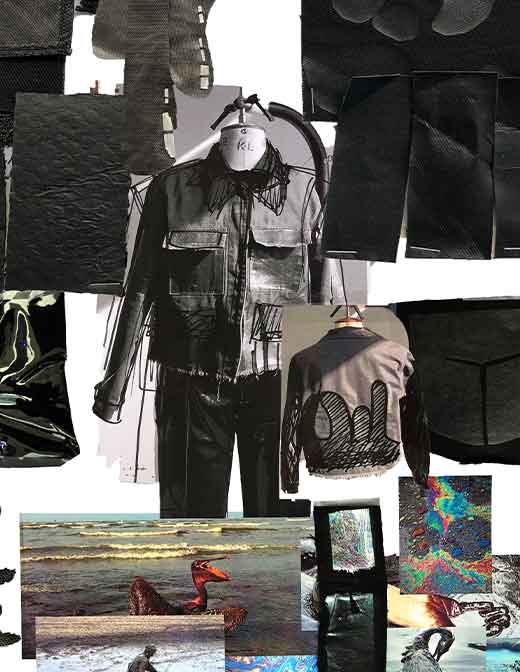 The design process takes inspiration from smart, elegant early 20th-century fashion, which designer’s grandparents used to wear. To be able to create such garments, it required her to learn vintage couture tailoring technique used by worldwide known tailors of Saville Row. Designer creates a monochromatic aesthetic with the splash of bright, ultramarine blue detailing and matt black trims by sourcing the materials from local garment shops and then readjusting them to her needs..
Read more
VALIA KAPELETZI
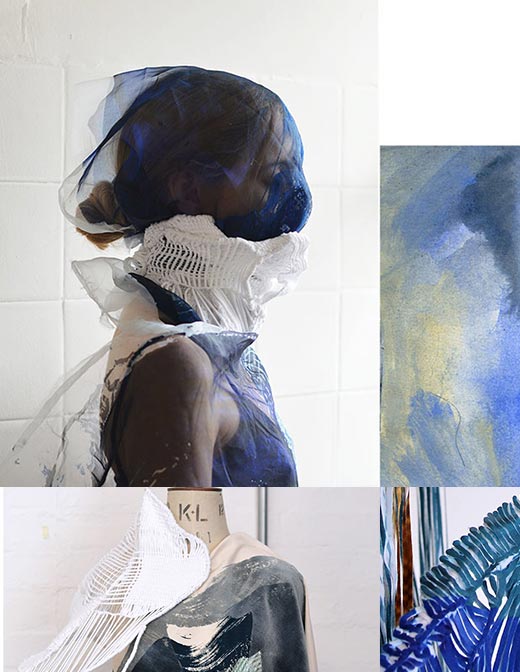 The initial inspiration behind Valia’s vision was the irregular beauty of the hammock, its construction, behaviour to movement and function. The interaction of movement with light and the human body are translated into dimensional installation pieces with playful colours and intriguing handcrafted details.
 After vast experimentation with different materials and techniques, the final compositions consist of hand woven polyester yarns and other polyester materials which have been dyed with dye sublimation, while their core structure is the result of the wire that is woven together and incorporated as a backbone to the dimensional constructions.
Read more
WINNIE YEUNG
 The concept of Winnie Yeung's final project is ‘Growing’. The initial inspiration comes from aerial photography of tulip fields in The Netherlands. Instead of using pen or acrylics to draw and paint, Winnie uses the knitting machine as her drawing tool, and the different kind of yarn as the medium.
 Winnie loves experimenting with a range of knitting techniques and yarn combinations. Her first samples have become the visual and haptic inspiration for her next works. In addition, her research method is by observing the details of her samples and taking photographs to make further developments and improvements in the following iterations.
Read more